What Is a Public Golf Course?
A public golf course is generally open to golfers without private-club membership. It may be owned by a city, operated by a public agency, or managed by a private company. Players usually pay a green fee and book a tee time, though prices and booking rules vary. That simple distinction matters: public access does not always mean walk-on play or low-cost golf.
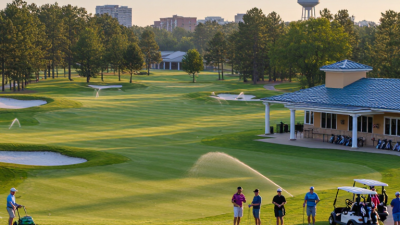
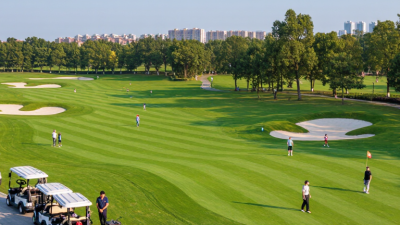
The course itself can be modest or memorable. Picture a municipal layout beside a neighborhood park, with a busy first tee, worn paths near the clubhouse, and beginners learning to keep pace. Other public courses offer championship-length holes, practice greens, and professional instruction. Golf course architect Dr. Alister MacKenzie wrote, “The first essential in a golf course is that it should be pleasant to look at.” His design principle helps explain why a welcoming public course needs more than open gates; thoughtful routing and playable holes matter, too.
This guide explains what makes public golf courses different from private clubs, who can play, and what a round may cost. It also considers course types, booking, facilities, and etiquette. The details vary by location. A public course can still have crowded weekends, limited tee times, or fees that exclude some local players. That gap deserves attention. Understanding both the access and its limits helps golfers choose a course that fits their budget, experience, and expectations.
Definition and Core Characteristics of a Public Golf Course
What Is a Public Golf Course?
Definition and Core Characteristics of a Public Golf Course
A public golf course is open to golfers without private-club membership. Players usually book a tee time and pay a green fee, though prices and booking rules vary. Some courses are municipally operated; others are privately owned and welcome public play. The distinction is access, not ownership.
The National Golf Foundation’s Golf Facilities in the U.S. report estimates that roughly three-quarters of U.S. golf courses are public. That figure includes daily-fee and municipal facilities, making public courses a major part of the game’s infrastructure.
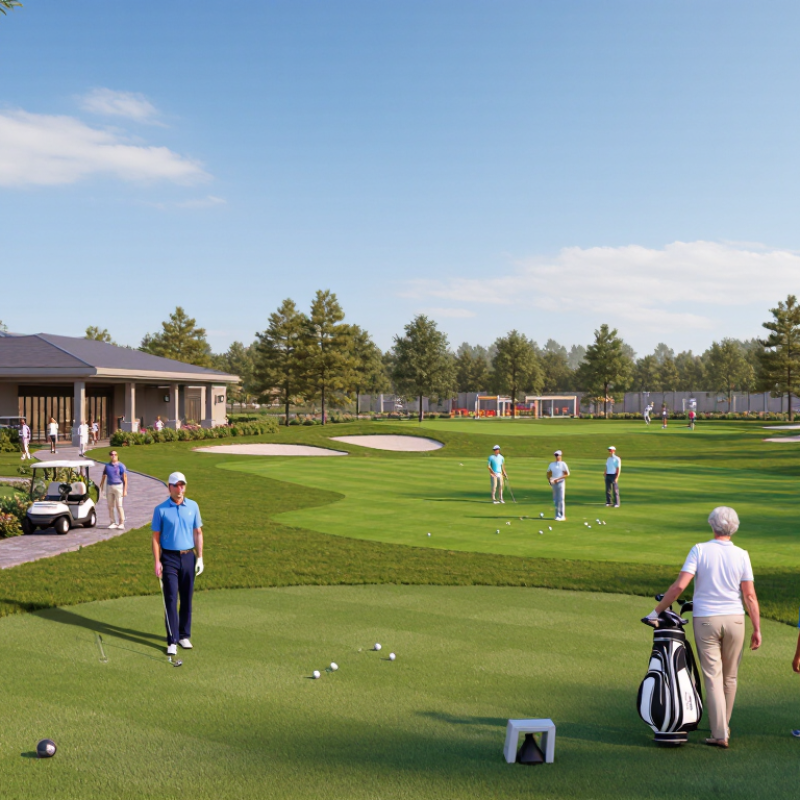
You can often see the practical difference at the first tee: a posted rate, a check-in desk, and groups starting at set intervals. Many courses also rent clubs and carts, while walking may be allowed on some layouts. Conditions and pace can vary. A busy weekend morning may mean slower play, and maintenance schedules can affect which holes are open.
Public access does not guarantee identical service or affordability; fees may change by season, time, or course. The NGF’s facility data counts course types, but it cannot describe every golfer’s experience. That gap matters: a course can be public in name and still feel difficult to navigate for a first-time visitor.
Ownership, Management, and Public Access
What Is a Public Golf Course?
A public golf course is generally open to golfers who do not belong to a private club. Ownership can vary. A city, county, regional authority, nonprofit, or private operator may own or run the facility. These arrangements affect who sets prices, schedules maintenance, and decides how tee times are offered. Public access does not always mean walk-up play is available. Many courses require advance bookings, charge different rates by time of day, or reserve certain periods for leagues and events. Check the course’s current booking rules before making the trip.
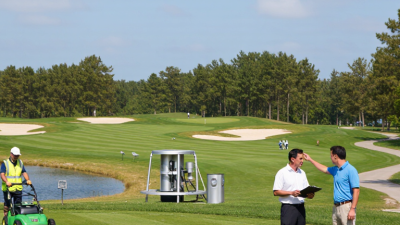
Management shapes the experience on the ground. Staff may prepare greens before sunrise, repair worn tee boxes, and keep bunkers playable after rain. Budgets and weather can limit what gets done, so conditions may differ across the course. That is worth remembering. A public label can sound simpler than reality: some facilities are municipally owned but professionally operated, while others are privately run and still welcome the general public. Access may also depend on practical details, such as rental equipment, walking policies, accessible paths, and food service. These can vary, even between nearby courses. Calling the pro shop can clarify the details—and sometimes reveals a small restriction that the website missed.
Course Layout, Facilities, and Available Services
A public golf course can range from a compact nine-hole layout to a full eighteen-hole course. The design usually combines short and long holes, open fairways, bunkers, and putting greens. Some courses have narrow landing areas bordered by trees; others feel exposed to wind. Walking distances and hilliness can vary, so the scorecard may not tell the whole story. Layouts vary more than brochures suggest. That can be inconvenient.
Facilities shape the day as much as the holes do. Many courses offer a practice putting green, a driving range, club rental, and a pro shop with basic supplies. Food may be available at a snack counter or clubhouse, though hours can change with the season. Services differ by location: some courses provide carts, lessons, or online tee-time booking, while smaller sites may have fewer options. Check what is open before traveling, especially if you need rental equipment or accessible paths.
Tips: Review the course map and ask about walking conditions before booking. Bring water, a pencil, and a spare ball or two. If you are unsure about pace, mention it when checking in. Small details matter. I still find that a quick call can prevent an avoidable surprise.
Green Fees, Reservations, and Playing Rules
A public golf course generally lets nonmembers book a tee time and pay a green fee. Rates can change by day, time, season, and course conditions. Check whether the price includes a cart, then ask about rental clubs and cancellation rules. Small details matter.
The National Golf Foundation’s 2024 Golf Industry Report counted 26.6 million U.S. on-course golfers in 2023. That large player base helps explain busy weekend mornings, although the national figure cannot predict availability at a specific course.
Reserve online or by phone, and confirm your arrival time. Some courses accept single players; others group them with open spots. If your schedule is flexible, ask about twilight rates or quieter weekday slots. Arrive early enough to check in, warm up, and reach the first tee without rushing.
Course rules vary. Follow posted cart-path instructions, repair ball marks, replace divots, and keep pace with the group ahead. Dress expectations may also differ, so check before leaving home. I sometimes overlook that last point. A quick call can prevent an awkward start.
How Public Courses Differ from Private Golf Clubs
A public golf course allows golfers to play without belonging to a private club. Many charge a green fee for each round, while municipal courses may offer discounted rates to local residents. Players usually reserve a tee time, arrive with their clubs, and share the course with golfers they may not know. Simple, but not always quiet.
Access is the biggest difference. Private clubs commonly restrict play to members and their guests, often with joining fees or annual dues. Public courses welcome a broader mix of players, though busy weekends can mean slower rounds and fewer convenient tee times. The National Golf Foundation’s 2023 facilities census found that roughly three-quarters of U.S. golf courses offer public access. That figure includes daily-fee and municipal courses, not just city-owned facilities. Public does not mean identical: one course may have a small pro shop and a snack counter, while another offers lessons, dining, and a practice range. Private clubs may provide more consistent service, but that is not guaranteed. I have found that the course’s condition and pace of play can matter more than the label. And a little patience helps.
What Is a Public Golf Course? How Public Courses Differ from Private Golf Clubs
Public courses generally let golfers play without club membership, usually by paying a green fee. Private clubs generally require membership for ordinary access. These bars show typical arrangements, not survey results; individual courses and clubs may differ.