What Is a Municipal Golf Course and How Does It Work?
A municipal golf course is more than a public place with fairways, greens, and a busy tee sheet. It is usually owned, supported, or supervised by a city, county, or local authority. Its purpose often combines recreation, community access, and responsible land management. As Greg Nathan of the National Golf Foundation has said, “Golf is a game for everyone.” That idea sits at the heart of municipal golf.
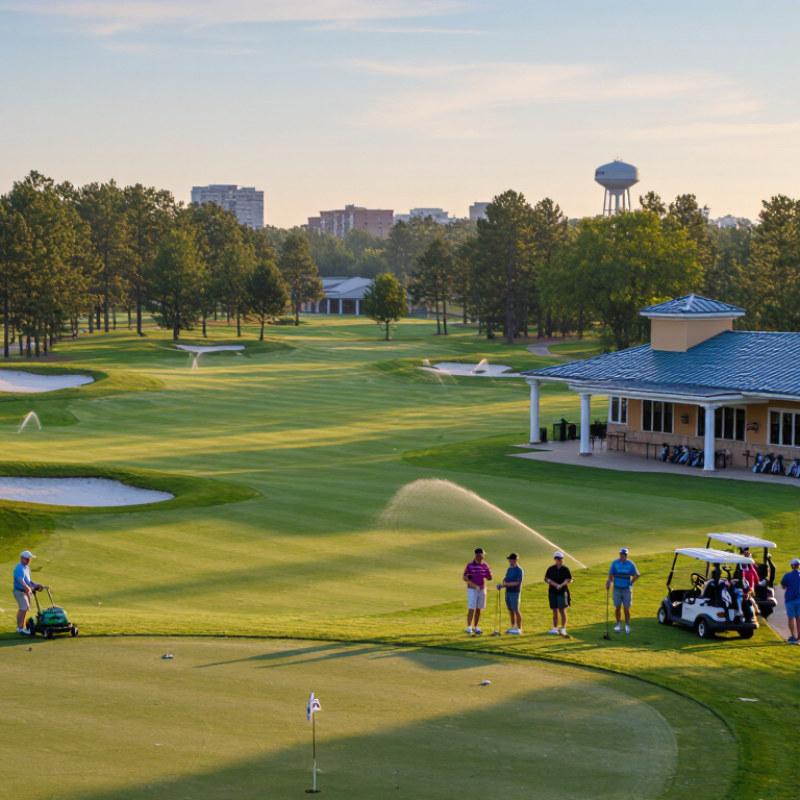
The operating model can vary. A local government may manage the course directly, hire a professional operator, or lease it to a private company. Daily work includes booking tee times, collecting green fees, maintaining turf, repairing carts, and serving golfers at the clubhouse. Picture an early morning crew mowing dew-covered greens before the first players arrive. The course must also manage water, staffing, equipment, and seasonal weather.
Funding is rarely simple. Player fees may cover routine expenses, but older facilities often need major repairs. Some courses support themselves well. Others require public investment or operational changes. That does not automatically mean failure. A municipal golf course may provide affordable access, youth programs, walking space, and local employment. Its value is not measured only by profit.
Still, the model deserves honest evaluation. Low fees can improve access, yet they may limit maintenance budgets. Community benefits matter, but they must be measured carefully. This guide explains who owns these courses, how they operate, where their money goes, and why results differ from one community to another. The answers are practical, sometimes imperfect, and shaped by local needs.
Definition and Purpose of a Municipal Golf Course
A municipal golf course is a golf facility owned, operated, or overseen by a local government. Its purpose is broader than selling tee times. It provides public access to recreation, outdoor space, and affordable sport. Residents may pay reduced rates, while visitors often pay a different fee. The exact definition varies because each municipality sets its own rules, budget, and service goals. In practical terms, the course usually includes fairways, greens, practice areas, a clubhouse, and maintenance facilities.
Daily operations combine public administration and specialized turf management. Staff schedule tee times, inspect playing surfaces, manage pace of play, and respond to safety concerns. Superintendents monitor mowing height, irrigation, drainage, soil health, and seasonal weather. Those decisions affect playing quality and long-term maintenance costs. Course fees help fund labor, water, equipment, repairs, and capital improvements. However, fees rarely tell the whole financial story. Some facilities also rely on municipal funding or carefully controlled concessions. Transparent budgets matter. Golfers should know what their fees support.
The public purpose can include junior instruction, adaptive programs, community events, and open access for beginners. A municipal course may also protect green space inside a developed neighborhood. That role brings responsibilities. Managers must balance golfers’ expectations with nearby residents’ concerns about noise, traffic, water use, and wildlife. The model is useful, but it is not automatically equitable. A course can advertise public access while high prices, limited transit, or complicated booking systems discourage participation. Regular audits, accessible policies, and feedback from local users can reveal these weaknesses. No course gets every choice right. That is part of the work.
What Is a Municipal Golf Course and How Does It Work?
A municipal golf course is a publicly owned or publicly operated golf facility. It is designed to provide accessible recreation, community use, and local revenue rather than serving only private members.
The chart shows the conventional hole distribution of an 18-hole, par-72 golf course: four par-3 holes, ten par-4 holes, and four par-5 holes. Municipal courses may vary in length, par, and design, but they generally use this familiar structure to support players with different skill levels.
Data basis: conventional regulation 18-hole par-72 course layout; individual municipal courses may differ.
How Municipal Golf Courses Are Owned and Managed
A municipal golf course is a public golf facility owned by a city, county, or local authority. Its purpose usually extends beyond profit. It provides affordable recreation, protects open space, and supports community health. Ownership may remain with the local government, while daily operations are handled by public employees or a contracted management company. This arrangement can change when budgets, local priorities, or maintenance needs change.
Management covers much more than mowing fairways. Staff schedule tee times, supervise repairs, manage water use, set fees, and maintain safety standards. Course leaders also track revenue, seasonal demand, labor costs, and customer feedback. Public meetings may influence major improvements, such as clubhouse repairs or redesigned drainage. A well-run course publishes clear fees and explains how public funds are used. Still, the model is not flawless. Low prices can improve access, but they may leave too little money for aging irrigation systems or worn paths.
Tips: Check the course’s ownership structure before booking. Ask whether fees support maintenance directly. Visit during busy hours to assess pace, cleanliness, and staff responsiveness. Notice small details, such as marked cart routes, repaired tee areas, and readable signs. These details often reveal management quality. Consider asking about future renovations, because a beautiful course today may face difficult upkeep tomorrow.
Funding Sources and Operating Costs
Municipal golf courses usually combine public funding with earned revenue. The National Golf Foundation’s 2024 U.S. facility census counted about 16,000 facilities, with roughly three quarters open to the public. Municipal facilities sit within that public landscape, but their finances vary widely. Cities may provide land, drainage, debt support, or annual operating transfers. Green fees, cart rentals, memberships, range balls, lessons, food service, and tournament charges add cash. The mix matters. A low fee can improve access, yet weaken maintenance budgets.
Labor is often the largest controllable expense. Crews mow fairways, repair irrigation, maintain bunkers, and manage storm damage. Water, electricity, fertilizer, chemicals, fuel, insurance, and equipment replacement follow. The Golf Course Superintendents Association of America’s Golf Course Environmental Profile research identifies water conservation and resource management as continuing operational priorities. A municipal operator may invest in efficient irrigation, even when payback takes several seasons. Equipment can appear cheaper to repair. Sometimes, replacement is financially wiser.
Daily operations expose the model’s tension. On a rainy Tuesday, tee-time revenue can disappear while wages and utility charges continue. Costs continue. A busy weekend may not repair a full year’s deficit. The National Golf Foundation’s participation and facility data show why demand cannot be assumed to remain constant. Population growth, weather, pricing, and course condition influence rounds played. Some budgets still treat capital renewal as optional. That is a serious weakness. Transparent accounting should separate routine operations from long-term renovation and publish subsidies per round. Not every course will break even.
Access, Memberships, and Daily Play
A municipal golf course is usually owned or operated by a city, county, or public recreation department. Its main purpose is affordable access, not exclusive membership. Residents may receive lower rates, while visitors often pay a different daily fee. Policies vary, so checking the course website or calling the pro shop prevents surprises.
Memberships commonly offer reduced green fees, advance booking, or access to practice areas. Some courses sell annual passes, weekday plans, senior options, or limited-use cards. These memberships may save money for regular players, but the value depends on how often you actually play. A golfer visiting twice monthly might benefit more from daily rates.
Daily play usually begins with a reservation. Many courses accept bookings several days ahead, while others keep some tee times for walk-ins. Arrive early enough to check in, pay, warm up, and confirm local rules. The first tee can feel crowded during weekend mornings. Pace of play matters, too. A group that searches for every lost ball can delay everyone behind it. The system is not always smooth. Weather, maintenance, and public events can change availability quickly. I think that uncertainty is part of the municipal experience, but it requires flexible planning.
What Is a Municipal Golf Course and How Does It Work? - Access, Memberships, and Daily Play
| Data Dimension | Typical Municipal-Course Practice | How It Works for Golfers | Important Considerations |
|---|---|---|---|
| Ownership and Purpose | Owned or operated by a city, county, parks department, or other local public authority. | The course is generally intended to provide affordable recreational access to residents and visitors. | Management may be handled directly by the public authority or through a contracted operator. |
| Public Access | Usually open to the general public, subject to operating hours, maintenance closures, and scheduled events. | A golfer normally pays a green fee and either books a tee time or joins the daily queue. | Public access does not always mean walk-in availability, especially during busy periods. |
| Course Formats | Facilities may include 9-hole, 18-hole, executive, par-3, or combination layouts. | Players select a format based on available tee times, playing ability, time, and budget. | An 18-hole round commonly takes about 3.5 to 5 hours, depending on course congestion and player pace. |
| Tee-Time Reservations | Reservations may be accepted online, by telephone, in person, or through a municipal booking system. | Players choose an available time, provide the number of golfers, and pay according to local rules. | Booking windows vary; some facilities release tee times several days in advance while others use shorter windows. |
| Walk-In and Same-Day Play | Many courses reserve some capacity for same-day requests, cancellations, and single golfers. | A golfer may be placed in an open slot or paired with other players. | Availability is less predictable on weekends, holidays, and during favorable weather. |
| Green Fees | Fees are commonly lower than those at many privately operated daily-fee or resort courses, but prices vary by location and course quality. | The base green fee normally covers access to the course for a specified number of holes. | Rates may differ by resident status, age, time of day, weekday, weekend, and season. |
| Resident Pricing | Some public courses offer reduced rates to people who live within the governing municipality or county. | Eligible golfers may need to show a government-issued document or local recreation card. | Residency rules and accepted identification differ by facility. |
| Memberships and Season Passes | Optional annual memberships, season passes, or loyalty programs may reduce the cost of repeated play. | Members may receive discounted green fees, advance booking rights, preferred rates, or access to member events. | A membership is not always unlimited; restrictions, blackout dates, booking limits, and extra charges may apply. |
| Peak and Off-Peak Rates | Peak periods generally include weekend mornings and holidays, while off-peak periods often include weekday afternoons or late-day play. | Golfers can often save money by selecting less busy times. | Late-day play may be affected by daylight, weather, or a course policy limiting the number of holes available. |
| Walking and Cart Options | Courses may permit walking and offer optional powered carts, subject to safety and accessibility rules. | Players either walk or pay a separate cart fee, often shared by two riders when allowed. | Cart availability can be limited during busy periods, wet conditions, or maintenance operations. |
| Junior, Senior, and Student Rates | Reduced rates are commonly available for juniors, older adults, students, veterans, or other qualifying groups. | The player presents qualifying identification and follows any age or time restrictions. | Discounts may apply only on weekdays, during designated hours, or when accompanied by an adult. |
| Practice Facilities | A municipal facility may include a driving range, putting green, chipping area, practice bunker, or short-game area. | Practice areas may be used without playing a full round, usually for a separate fee. | Range-ball prices, opening hours, and access rules can change with weather and maintenance. |
| Golf Instruction | Lessons, clinics, junior programs, and introductory classes may be provided by approved teaching professionals. | Participants usually book instruction separately from a tee time and pay a lesson or program fee. | Instruction schedules may be seasonal and are often subject to weather and instructor availability. |
| Daily Check-In | Players generally check in at a pro shop, clubhouse desk, kiosk, or designated payment area before play. | The golfer confirms the reservation, pays outstanding charges, receives instructions, and proceeds to the first tee. | Arriving 15 to 30 minutes early is a practical way to allow time for payment, warm-up, and locating the tee. |
| Course Etiquette | Players are expected to repair ball marks, replace or fill divots where required, rake bunkers, and follow cart directions. | Following basic etiquette helps protect public facilities and keeps play moving for everyone. | Local rules may include dress standards, mobile-device policies, cart restrictions, and pace-of-play requirements. |
| Weather and Maintenance Closures | Operations may be delayed or suspended because of lightning, frost, heavy rain, flooding, extreme heat, or scheduled maintenance. | Golfers should check the facility’s current operating status before traveling to the course. | Refund, credit, and reservation-transfer policies differ, especially when only part of a round is completed. |
| Best Use Case | Municipal courses are often suitable for casual golfers, families, beginners, regular local players, and golfers seeking lower-cost access. | Players can choose between occasional daily play, discounted off-peak rounds, or a season pass for frequent use. | The best value depends on local fees, travel distance, course condition, booking flexibility, and how often the golfer plays. |
Note: Policies, fees, booking windows, eligibility requirements, and operating hours vary by municipality and season. Confirm current details with the relevant local golf facility before playing.
Community Benefits and Common Challenges
A municipal golf course is a public facility managed by a city, county, or local authority. It usually offers daily tee times, practice areas, lessons, and affordable memberships. Green fees help cover mowing, irrigation, staffing, repairs, and seasonal improvements. Residents may receive lower rates, while visitors pay standard prices. At a well-run course, booking records and maintenance schedules guide decisions, not personal preference alone.
The community value extends beyond golf. Open fairways can preserve green space, support walking programs, and provide part-time jobs for nearby residents. Junior clinics may give children structured outdoor time, while older players gain social contact and gentle exercise. Local tournaments can bring modest spending to cafés, transport services, and small shops. These benefits are real, but they are not automatic. A course needs clear public access policies and staff who listen to residents.
Operating costs can rise sharply during droughts, storms, or equipment failures. Water use may attract criticism, especially when nearby households face restrictions. Aging drainage, slow booking systems, and uneven accessibility can also reduce public trust. Managers must balance affordable fees with safe greens and responsible environmental practices. That balance is difficult. A course may serve committed golfers well yet still overlook beginners, walkers, or residents who never play. Regular public meetings, published budgets, and measurable water data can expose weaknesses, although not every complaint has an easy solution.
Related Posts
-
7 Best Peninsula Golf Courses for International Travelers?
-
Top 10 Peninsula Golf Courses You Must Play?
-
How to Choose a Municipal Golf Course Supplier?
-
Top Old Course Golf Equipment Suppliers for Global Buyers?
-

Why Choose Sunset Golf Course for Your Next Golf Trip?
-
China Top 10 Municipal Golf Course Suppliers

Contact Us
Phone: (650) - 522-4653 (GOLF)
Fax: (650) 522-7511
Tee Time Reservations: (650) 522-4653 (GOLF)
Location
1700 Coyote Point Drive
San Mateo, CA 94401