(650) 522-4653

What Are Local Golf Courses and How Do You Find One?

Finding the right local golf courses begins with more than typing “golf course near me” into a search bar. A useful course should match your skill level, schedule, budget, and preferred playing experience. A beginner may need forgiving fairways, rental clubs, and a welcoming practice area. An experienced golfer may care more about green speed, bunker design, course length, and competitive tee times.

Golf architect Tom Doak has said, “The best golf courses are the ones that make you think.” That idea also applies when choosing where to play. Study the scorecard, inspect recent player reviews, and check the course’s official website. Look for clear information about fees, walking policies, dress requirements, booking times, and weather closures. A map can reveal whether the course is truly convenient or sits behind slow, crowded roads. Small details matter. Is the first tee beside the parking lot? Does the practice green resemble the real greens? Are fairways maintained after heavy rain?

Do not trust perfect photographs alone. They may hide worn tee boxes or limited facilities. Call the clubhouse if details remain unclear. Staff members often explain conditions better than online listings. Your first choice may not be ideal. That is useful feedback, not failure. After playing, note the pace, course condition, staff attitude, and overall value. These observations make your next search more accurate and help you discover local golf courses that genuinely fit your game.
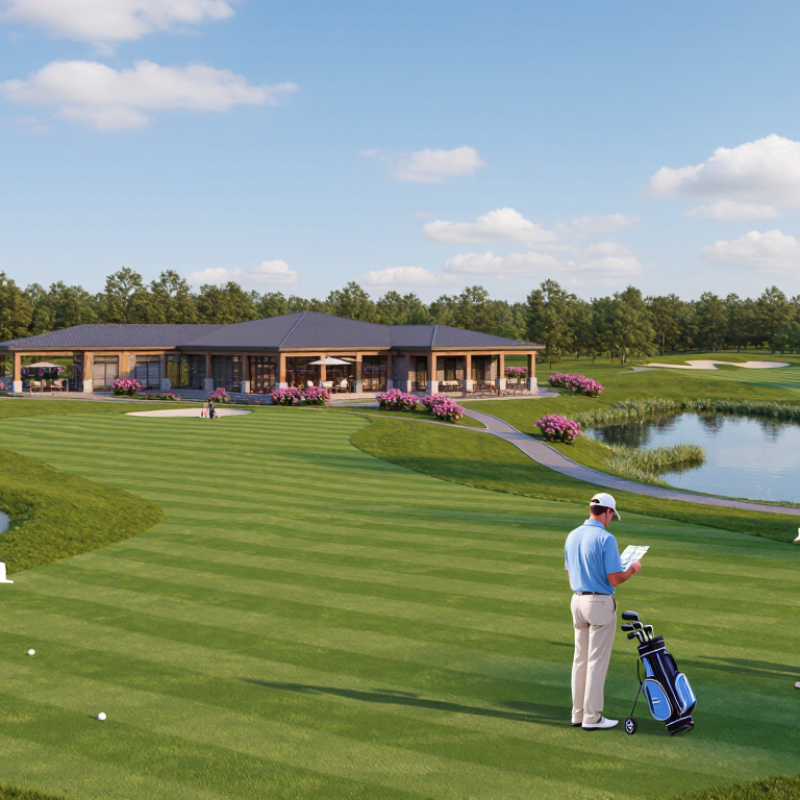
What Are Local Golf Courses and How Do You Find One?

What Defines a Local Golf Course?

A local golf course is more than the nearest green on a map. It is a course people can reach regularly, afford comfortably, and understand as part of their community. Walking through the gate should feel practical, not like planning an expedition. The National Golf Foundation recorded about 531 million golf rounds in the United States during 2023. That volume shows why local access matters to the sport’s everyday health.

Distance is only one measure. A course ten minutes away may still feel unsuitable if tee times are scarce, fees are unpredictable, or beginners feel unwelcome. A genuinely local course usually offers clear booking rules, reachable staff, practice areas, and conditions that match its price. Course rating and slope rating can help golfers compare difficulty, but numbers cannot describe a muddy path after heavy rain.

I have learned that small details matter: parking at dawn, fast check-in, shaded benches, and readable yardage markers.

The R&A’s Golf Around the World 2023 report counted more than 66 million golfers across surveyed markets. That growth makes community access increasingly important.

Ask nearby golfers where they actually play, not where advertisements point. Visit once before paying for membership. Listen to the pace, inspect the first tee, and notice whether staff explain unfamiliar rules patiently. My own judgment can be imperfect. A quiet weekday visit may hide a crowded weekend, so one test round is rarely enough.

How Local Golf Courses Differ From Other Golf Facilities

Local golf courses are usually built for nearby residents, not visiting tourists. They may be municipal, privately operated, or community-owned facilities. Their layouts often reflect local land, weather, and budgets. You might find narrow fairways, older greens, or a compact nine-hole design.

This makes them different from resort courses and exclusive clubs. Resort facilities often provide accommodation, restaurants, caddies, and polished landscaping. Private clubs may require membership, recommendations, or higher fees. A local course usually offers simpler services, flexible tee times, and a more relaxed atmosphere. The clubhouse may be modest, but regular players often share useful advice. I have found that local course conditions can change quickly after rain. That is not always a weakness. It can reveal how well the staff manages real seasonal pressure.

Tips: Check the course website, local council listings, and recent player reviews. Call before visiting. Ask about green conditions, walking distance, rental equipment, and busy hours. A short visit can tell you more than photographs. Notice the practice area, pace of play, and staff communication. If the first course feels too difficult, try a shorter layout. I once chose a course for its scenery and ignored its steep hills. That was a poor decision. Distance and terrain matter. You should also compare weekday and weekend prices before booking.

What to Consider When Choosing a Local Golf Course

A local golf course is more than the nearest place to hit a ball. It should match your playing ability, schedule, budget, and expectations. I usually check travel time, opening hours, and available tee times before looking at scenery. A twenty-minute drive can feel long when weekend traffic turns a short trip into an hour.

Course condition deserves close attention. Look for recent player reviews mentioning fairways, greens, bunkers, and drainage after rain. Photos can help, but they may hide worn grass or temporary repair work. Ask whether beginners can use the practice area and whether lessons are available from qualified instructors. Clear answers often reveal how seriously the course supports new players.

Cost is not limited to the posted green fee. Ask about equipment rental, cart charges, peak-hour pricing, and cancellation rules. Also check walking routes, parking, changing facilities, and food options. A course with steep paths may be difficult for some golfers, even if the layout looks attractive. I once chose a cheaper course without checking its pace of play. My round lasted nearly five hours. That mistake changed how I compare value. Quiet surroundings matter, but reliable maintenance and respectful staff matter more. Availability should be verified directly, because online information can be outdated.

How to Find Nearby Golf Courses

Local golf courses are public or private places where golfers practice, play rounds, or receive instruction. Finding one nearby is usually easier than expected.

Start with an online map and search “golf courses near me.” Check the distance, driving time, opening hours, and available facilities. A course five miles away may take longer during busy traffic. Visit its official website when possible, then compare green fees, booking rules, club rental, and dress requirements. Some courses welcome beginners, while others expect prior experience.

Read recent local reviews carefully. Look for comments about course conditions, staff behavior, pace of play, and drainage after rain. Photos can help, but they may not show current fairway damage. Call the reception desk if important details remain unclear. Ask whether lessons, practice areas, or accessible paths are available. I once chose a course from an attractive photo, but the practice range was closed for repairs. That mistake taught me to verify current information, not just trust images. Ask a golfer you know, too. Personal experience matters. Consider visiting before booking. Notice the parking area, signs, cleanliness, and how staff explain basic rules. A friendly course can make a first round less stressful, even when your swing feels unreliable.

How to Compare Access, Costs, and Course Features

What Are Local Golf Courses and How Do You Find One?

A local golf course is not always the nearest course. It is the place you can reach, afford, and use regularly. The National Golf Foundation reported 28.1 million on-course golfers in the United States in 2023. That demand makes access worth measuring carefully. Check driving time, public booking rules, weekend availability, and whether beginners can use the practice areas. A 20-minute drive may matter more than a famous layout.

Compare the complete cost, not only the advertised green fee. Add cart charges, range balls, club rental, taxes, and peak-time pricing. Ask about walking conditions and twilight rates. Memberships require extra care. Monthly dues, joining fees, and minimum spending can change the real price. I once judged a course by its low weekday fee and ignored the costly weekend schedule. That was a poor comparison.

Course features should match your playing habits. Review hole length, tee choices, fairway width, water hazards, lighting, and maintenance standards. Look for a practice green and a range with usable targets. The R&A’s Golf Around the World 2023 report recorded more than 43,000 golf facilities worldwide, so choice may be broader than expected. Still, facility counts do not show quality or accessibility. Read recent local reviews, inspect the booking page, and call with specific questions. Small details matter. Can you finish nine holes after work? Is parking simple? Does the course explain pace expectations clearly? I still underestimate how much comfort affects repeat visits.

Contact Us

Phone: (650) - 522-4653 (GOLF)

Fax: (650) 522-7511

Tee Time Reservations: (650) 522-4653 (GOLF)

Location

1700 Coyote Point Drive

San Mateo, CA 94401