How to Choose the Right Golf Clubs?
Choosing a golf club set can feel like a gear puzzle: loft, shaft, length, head shape, and price all compete for attention. A shiny driver may promise distance, but it cannot fix a swing that sends the ball low and right. The right clubs should suit your current ability, physical comfort, usual course conditions, and plans for improvement. That sounds obvious. Yet golfers often buy around one impressive club instead of considering the full set. A reliable starting point is knowing your typical miss, carry distances, and budget. This guide explains how to compare club types, shaft options, forgiveness, and set composition without treating marketing claims as guarantees. No magic set exists. Even so, a thoughtful fitting or supervised demo can reveal whether a club launches consistently and feels manageable. Fit still matters.
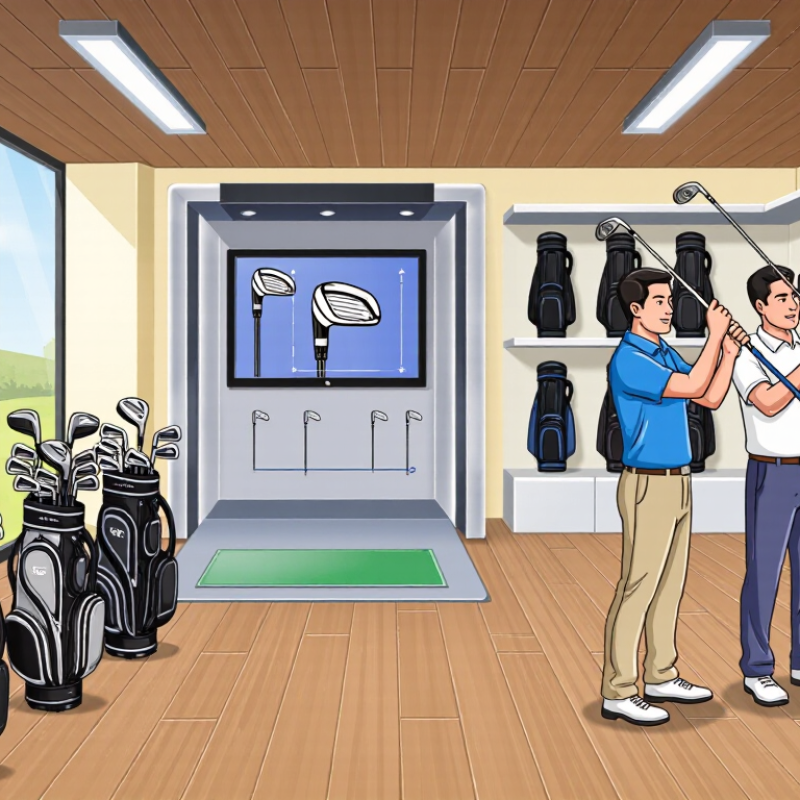
Before spending, test a few options with the same balls, if possible. Compare carry distance, dispersion, and strike quality—not just your best shot. A local fitter can check length, lie, grip size, and shaft profile, then explain the trade-offs in plain language. Ask what a recommendation changes and why. Results vary with weather and practice, so one session is evidence, not a verdict. I may be giving feel too much weight; measured results can challenge that impression. The goal is not to own the most expensive set. It is to choose clubs you can control, trust, and keep using as your game develops.
Assess Your Skill Level, Swing, and Playing Goals
Choosing the right golf clubs begins with an honest look at your current skill level. New golfers often benefit from forgiving clubs with larger hitting areas, which can make off-center shots less punishing. More experienced players may prefer options that offer greater control, but a smaller clubhead is not automatically better. Choose equipment you can use consistently, not clubs that simply look advanced.
Your swing matters as much as your score. Notice your usual miss: shots that curve right, pull left, or fall short can point to different fitting needs. Shaft flex, club length, and grip size may affect comfort and consistency, but they cannot fix every swing flaw. A professional fitting can measure details such as swing speed and ball flight. Still, chasing perfect numbers can distract you from how a club feels through impact. Try several options and pay attention to both results and confidence.
Tips: Test clubs on a range, using the same balls when possible. Keep simple notes on direction, distance, and feel. Keep it simple. Consider where you play and what you want to improve; a golfer focused on control may choose differently from someone seeking more distance. Your swing may change over time, so reassess your setup occasionally.
Understand the Types of Golf Clubs and Their Uses
A golf bag is a set of tools, not a row of interchangeable clubs.
Drivers have the largest heads and longest shafts, helping launch the ball from a tee. Fairway woods and hybrids offer a lower-profile option for long shots from the fairway or rough. Hybrids often feel easier to control than long irons, though that is not true for every golfer. Try them from real lies. Feel matters.
Irons cover approach shots, with lower-numbered irons generally sending the ball farther and higher-numbered irons offering more loft. Wedges are built for short shots, bunker escapes, and controlled pitches near the green. A putter is designed for rolling the ball across the putting surface. The USGA and R&A Rules of Golf limit a player to 14 clubs, so each one should fill a useful distance or shot-making gap. Don’t choose clubs by labels alone. Compare carry distances, not just total distance, and test a hybrid or iron from uneven turf before deciding.
A launch monitor can help reveal gaps, but numbers need context: strike quality, ball flight, and course conditions all matter. The USGA and R&A’s Distance Insights work tracks how hitting distance changes across the game; it’s a useful reminder that raw distance is only one part of club choice. A careful fitting should check loft, lie, shaft length, and how consistently you hit each club. Even then, the “perfect” setup may need a second look after a few rounds.
Match Club Length, Loft, and Flex to Your Needs
Club length affects posture, contact, and control, so do not choose by height alone. Measure your wrist-to-floor distance while standing naturally, then use it as a starting point for a fitting. A club that is too long may leave you reaching; one that is too short can make you hunch. Check your stance and strike pattern, too. Repeated heel or toe contact may signal a fit issue, though swing technique can also be responsible.
Loft shapes launch and distance. A driver with too little loft may produce low shots that lose carry, while extra loft can help some golfers launch the ball higher. Irons should provide useful distance gaps, not merely impressive numbers on a single club. Test shots with your usual ball, and note carry distance and how consistently each club lands. Small changes matter.
Flex should suit how you swing, not simply your age or strength. Swing speed offers a useful clue, but tempo and transition affect how a shaft feels and performs. If shots curve unpredictably or launch inconsistently, try nearby flex options with a qualified fitter. A launch monitor can add helpful measurements, yet the numbers are not the whole story. Comfort counts. I would reassess after a few rounds, because an indoor fitting may not reveal every on-course habit.
Choose a Set Composition and Budget
A useful golf set should match your current swing, not an imagined future one. Beginners often benefit from a driver, a fairway wood or hybrid, several irons, a wedge, and a putter. A hybrid can replace a hard-to-hit long iron and help launch the ball from rough grass. You do not need every club permitted in a full bag. Leave room to learn what distances you actually hit.
Tips: Set your total budget before shopping. Include a bag, balls, and basic fitting costs. Compare the lofts and distances of each club, since overlapping clubs may add little value. Try a few options at a range if possible. A comfortable grip matters.
Spend carefully on the clubs you use most, but avoid paying extra for features you cannot explain. Pre-owned clubs can stretch a budget, though worn grips or mismatched specifications may need attention. Check the club condition and return terms before buying. A simple set with sensible gaps can serve you better than a costly collection. I would still reassess after a season; early distance estimates are often wrong.
How to Choose the Right Golf Clubs: Set Composition and Budget
A typical 14-club setup balances distance, versatility, and scoring. This example shows one possible composition; adjust the mix to suit your game and the clubs you hit confidently.
Budget tip: Set a spending limit before shopping. Prioritize a comfortable driver, forgiving irons, and a putter that suits your stroke; consider pre-owned clubs or a simpler set to stay within budget. Golf’s Rules of Golf limit a player to 14 clubs during a round.
Test Clubs to Confirm Comfort and Performance
A club can look right on a rack and still feel awkward after a few swings. Test it with the type of ball you normally play, on a range or fitting bay where you can see the ball flight. Warm up first. Then hit several shots with each option, rather than judging one lucky strike.
Notice how the grip sits in your hands and whether the club’s weight feels manageable through the swing. Watch for repeated patterns: shots starting left or right, a low flight, or contact marks near the toe or heel. Compare clubs using the same target and similar effort. If possible, ask a qualified fitter to check shaft length, lie, and your setup; small mismatches can affect both comfort and contact.
Pay attention after a dozen swings, too. A club that feels easy for two shots may become tiring, and that is useful information. I would not treat one session as a perfect verdict; nerves, weather, and fatigue can change results. Write down the club, feel, and typical miss while details are fresh. Look for steady, comfortable contact—not just the longest shot.