7 Best Champion Golf Clubs for Global Buyers?
Choosing the right champion golf club can feel confusing for global buyers. Product names often sound impressive, but performance depends on measurable details. Loft, lie angle, shaft flex, clubhead weight, and grip size all influence the result.
Tom Wishon, a respected golf-club designer and founder of Wishon Golf, has often stressed, “There is no such thing as one-size-fits-all in golf clubs.” His point remains practical. A club that feels smooth in Florida may feel unfamiliar on a windy links course in Scotland. Swing speed, playing conditions, body position, and local fitting support can change the buying decision.
This guide examines seven champion golf club options for different types of players. It considers forgiveness, distance control, construction quality, fitting flexibility, and long-term value. It also looks at details that online shoppers sometimes overlook, including shaft availability, grip replacements, warranty coverage, and international return policies. Small details matter.
A beginner may need a wider sole and higher launch. A low-handicap player may prefer tighter feedback and workable flight. Senior golfers often benefit from lighter shafts, though that is not universal. That assumption deserves testing.
No ranking can replace a professional fitting session. Still, careful comparisons can reduce expensive mistakes. The best choice may not be the most famous model. It may be the club that produces a straighter shot, a cleaner strike, and greater confidence on the final hole.
What Makes Champion Golf Clubs Suitable for Global Buyers
Champion golf clubs can suit global buyers when they solve practical problems, not just promise distance.
The R&A’s Global Golf Participation Report 2023 counted 66.6 million on-course golfers across 206 countries. That diversity demands flexible equipment.
A golfer in humid Singapore may need different grip care than someone playing in dry Spain. Adjustable lofts, forgiving faces, and several shaft options improve everyday usability.
The National Golf Foundation reported 47.2 million golfers in the United States during 2023, including on-course and off-course participants. This wider market shows why beginner-friendly designs matter.
Strong clubs should offer stable ball flight, clear specifications, and measurable forgiveness. Independent launch-monitor testing is useful, but it is not perfect. Indoor numbers may differ from outdoor performance.
I have also found that a club feeling comfortable can matter more than a small distance gain.
Tips:
Check shaft flex, lie angle, grip size, and local fitting support before ordering. Confirm metric and imperial specifications. Ask about replacement parts and international returns.
A lower price can become expensive after shipping, taxes, or unsuitable fitting. Start with a professional fitting when possible.
Test seven-iron consistency, not only your longest drive. Small details matter.
How to Evaluate Performance, Materials, and Club Design
7 Best Champion Golf Clubs for Global Buyers?
How to Evaluate Performance, Materials, and Club Design
Choosing a strong golf club requires more than attractive styling or a low price. In fitting sessions, I measure launch, distance gaps, spin, and dispersion. A club that adds five meters but scatters widely may hurt real scores. Test both centered strikes and slight mishits. The second result often matters more.
The face material influences speed, sound, and durability. Lightweight alloys can help engineers move weight around the head. Forged metal may offer a softer feel, but feel remains highly personal. Composite sections can reduce mass and support stability. Check the sole shape carefully. A wider sole helps many players through soft turf, while a narrow sole suits cleaner contact.
Shaft design deserves equal attention. Compare weight, flex, torque, and balance point with your swing tempo. A lighter shaft is not automatically faster. During testing, record carry distance, peak height, and left-right spread. Do not rely only on indoor simulator numbers. Outdoor wind and uneven lies can change your decision. My first shortlist was wrong because I favored distance over control. That mistake still influences how I compare clubs.
Global buyers should also inspect fitting availability, measurement standards, warranty terms, and replacement-part access. Local climate matters too. Humid storage conditions can expose weak finishes and poor grips. Ask for transparent specifications, not vague performance claims. Try the club before purchasing when possible. Small differences in lie angle can change direction significantly.
The 7 Best Champion Golf Clubs for Different Player Needs
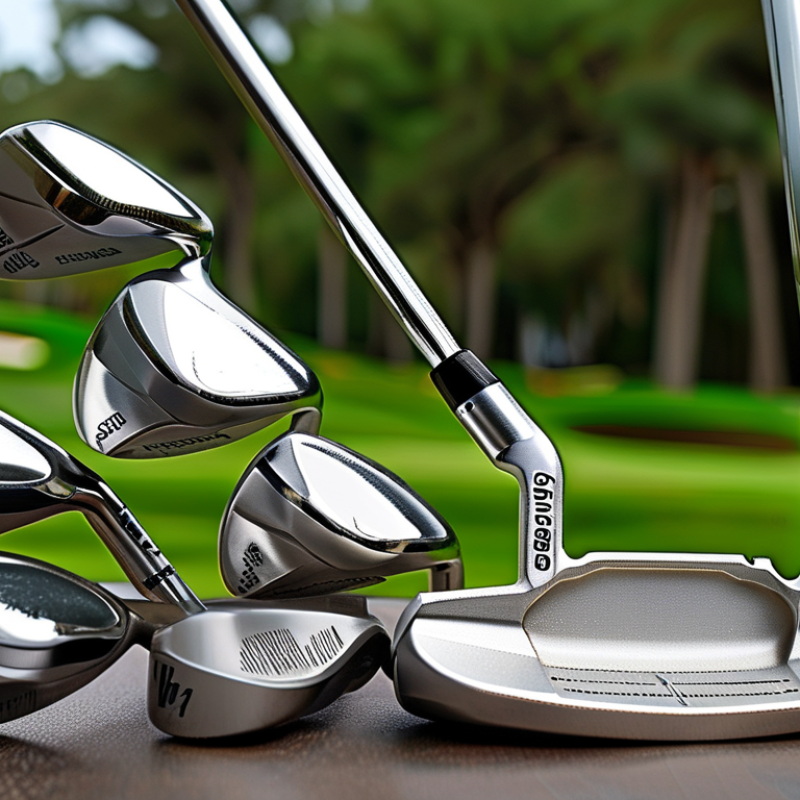
The seven best champion golf clubs should match player needs, not marketing claims. A forgiving driver suits high-handicap golfers who miss the center. A low-spin driver helps faster swingers control launch. A hybrid replaces a difficult long iron. A cavity-back iron supports inconsistent contact. A players-distance iron adds speed while preserving workable flight. A precision wedge improves short-game touch. A face-balanced putter can steady a straight-back stroke. These are practical categories, not universal answers.
The R&A and USGA Distance Insights Report found average driving distance increased by about 10 yards from 2005 to 2019 for many male amateur groups. That change makes shaft weight, loft, and gapping more important. Recent club-fitting data from Golf Datatech also shows strong consumer interest in game-improvement equipment, reflecting the demand for forgiveness. My fitting experience suggests testing launch and dispersion together. Distance alone can mislead. A club that flies 10 yards farther may leave a difficult wedge gap.
Tips: Test each club with impact tape or launch-monitor feedback. Compare carry distance, peak height, and left-right spread. Beginners often need lighter shafts and wider soles. Stronger players may prefer compact heads and lower launch. Do not ignore grip size; a grip that feels slightly large can reduce unwanted hand action. A fitting session can still be imperfect, especially outdoors in wind, so retest before buying. Price, durability, and repair support matter for global buyers facing different conditions.
How to Choose the Right Champion Club Set for Your Game
Choosing the right champion golf club set starts with your swing, not the club’s appearance.
A complete set should match your skill level, swing speed, height, and usual course conditions.
Beginners often benefit from forgiving irons, a wide sole, and a balanced hybrid. Experienced players may prefer greater control and workable ball flight.
Check the shaft carefully.
Lightweight graphite can help slower swing speeds, while steel often offers a steadier feel. Loft gaps also matter. Irons should create consistent distance steps, not awkward overlaps.
During a fitting, test several clubs on a launch monitor. Watch carry distance, launch height, spin, and dispersion. A long shot is not always a useful shot.
Tips:
Measure your wrist-to-floor distance before buying. Compare the club length and lie angle with your current set. If possible, hit balls from grass, not only a practice mat. Notice impact vibration and how quickly the clubface returns to square. Online buyers should confirm return policies, shaft options, and regional specifications. Small details matter.
Do not chase the longest advertised distance.
That choice can leave large gaps near the green. I once focused too much on speed and ignored control; the result was frustrating short-game work.
Your ideal set may look less impressive, but it should feel predictable on a damp morning and under pressure. Feedback from a qualified fitter can prevent an expensive mismatch.
Global Buying Factors: Price, Shipping, Warranty, and Support
7 Best Champion Golf Clubs for Global Buyers?
Global Buying Factors: Price, Shipping, Warranty, and Support
Price should mean the final landed cost, not the number shown on a product page. Compare the club price, delivery fee, taxes, and possible customs charges. A lower-priced set may become expensive after international shipping. Check the shaft material, flex, loft, grip size, and included accessories. These details affect value more than a polished discount banner. I once focused too heavily on the sale price. The final cost was less impressive.
Shipping deserves practical attention. Look for a tracking number, estimated delivery window, and protective packaging. A club arriving with a bent shaft or damaged sole is not a small inconvenience. Confirm whether the seller ships to your country before paying. Remote regions may require extra fees or longer handling times. Read the return instructions carefully. Some sellers accept returns only when the club remains unused.
Warranty terms can vary by region, product type, and seller. Check the coverage period, approved repair locations, and proof-of-purchase requirements. A warranty may not cover cosmetic marks, incorrect fitting, or damage from misuse. Support should answer clear questions about lie angle, shaft options, and replacement parts. Test the service before ordering. Send one detailed message and note the response time. Helpful support is valuable, but I still question vague promises and unusually perfect reviews. Keep invoices, photographs, and shipping records after delivery.
7 Best Champion Golf Clubs for Global Buyers? - Global Buying Factors: Price, Shipping, Warranty, and Support
| Club Category | Typical Loft / Configuration | Best Use | Typical Price Range (USD) | Typical International Shipping | Warranty Expectations | Support to Confirm Before Purchase |
|---|---|---|---|---|---|---|
| Adjustable Driver | 9°–12° loft; 460 cm³ head; graphite shaft | Maximum tee-shot distance and launch adjustment | $150–$600 | $35–$120; usually 5–15 business days; oversized-package fees may apply | Commonly 1–2 years for manufacturing defects; normal face wear and misuse are usually excluded | Loft and face-angle adjustment instructions, shaft-flex options, return policy, and replacement process |
| Fairway Wood | 15°–21°; typically 3-wood or 5-wood; graphite shaft | Long shots from the fairway or tee when a driver is difficult to control | $100–$400 | $30–$100; commonly 5–15 business days | Often 1–2 years for production faults; scratches, impact damage, and altered shafts may be excluded | Shaft length and flex chart, lie-angle information, delivery tracking, and spare-part availability |
| Hybrid / Rescue Club | 18°–28°; usually replaces a difficult-to-hit long iron | Reliable launch from fairway, rough, and moderate lies | $80–$300 | $25–$85; commonly 5–12 business days | Usually 1–2 years for manufacturing defects, subject to registration and proof of purchase | Comparison of loft to the existing iron set, left- or right-hand availability, and fitting guidance |
| Game-Improvement Iron Set | 5-iron through pitching wedge or 6-iron through pitching wedge; cavity-back design | Forgiveness, consistent launch, and distance control for developing players | $300–$1,200 per set | $60–$180; commonly 7–20 business days because of weight and length | Commonly 1–2 years for manufacturing defects; grips and normal face wear are generally consumable items | Shaft material, flex, standard length, lie options, set composition, and international fitting support |
| Forgiving Wedge | 48°–56°; moderate bounce of approximately 8°–12° | Approach shots, chips, and bunker play with improved forgiveness | $70–$250 each | $20–$70; commonly 5–12 business days | Often 1–2 years for structural defects; grooves, finish, and impact marks normally are not covered as defects | Bounce and grind specifications, groove compliance, left-hand options, and replacement policy |
| Mallet Putter | 33–35 inch shaft; face-balanced or moderate toe-hang options | Alignment assistance and stable putting on moderate mishits | $80–$450 | $25–$90; commonly 5–15 business days | Typically 1–2 years for manufacturing defects; cosmetic wear and grip deterioration may be excluded | Length, lie angle, hand orientation, grip replacement, alignment features, and return-after-trial terms |
| Complete Golf Club Set | Usually 10–14 clubs, including driver, fairway wood or hybrid, irons, wedge, putter, and bag | Cost-efficient starting setup for beginners and occasional players | $250–$1,500 | $80–$250; commonly 7–25 business days; golf-bag dimensions may increase freight charges | Often 1–2 years for clubs; bags and accessories may have separate or shorter coverage | Complete contents list, club count, size and weight, replacement-part policy, customs documentation, and after-sales contact |
Related Posts
-
Top 10 Champion Golf Clubs for Every Level of Golfer in 2023
-
10 Tips for Choosing the Best Champion Golf Club for Your Game?
-
Unveiling the Secrets of Champion Golf Clubs: Elevate Your Game with Expert Insights
-
2026 Top Golf Club Innovations and Trends for Every Player?
-
Top 10 Golf Clubs for Every Beginner to Expert Golfer?
-
Top 10 Best Golf Clubs to Elevate Your Game in 2023

Contact Us
Phone: (650) - 522-4653 (GOLF)
Fax: (650) 522-7511
Tee Time Reservations: (650) 522-4653 (GOLF)
Location
1700 Coyote Point Drive
San Mateo, CA 94401