Why Choose an Athletic Baseball Cap for Your Business?
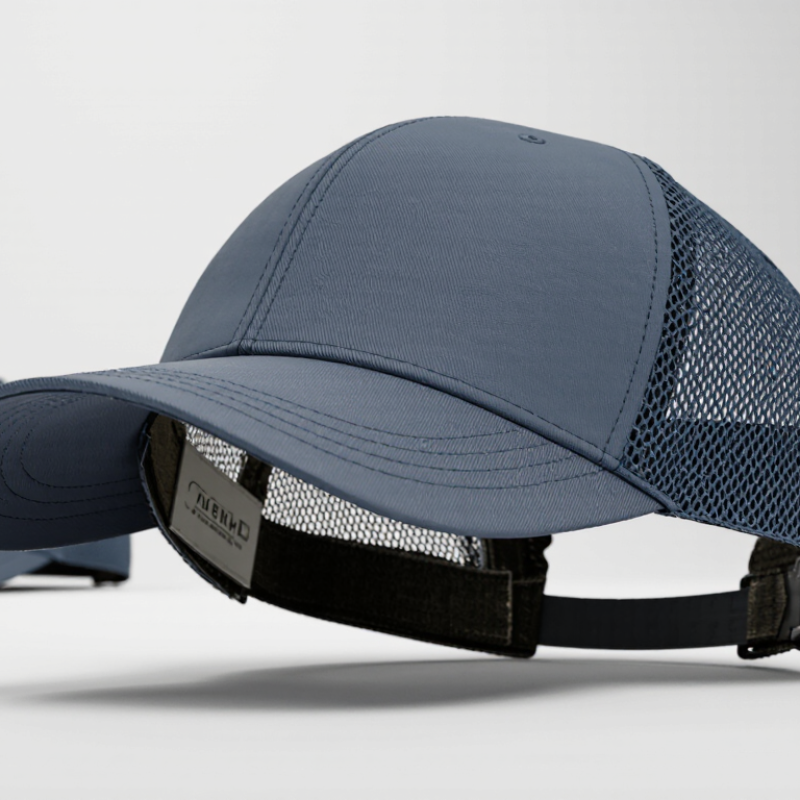
An Athletic Baseball Cap can do more for a business than carry a logo. It can help staff look unified, give customers a useful everyday item, and keep a brand visible outdoors. The details matter. A curved brim, breathable mesh panels, and an adjustable closure affect comfort during a long shift or a weekend event. So does the fit. A cap that looks sharp on a product page may feel tight after an hour.
“Comfort earns repeat wear; the logo earns a second look.” This is an original editorial line, not a verified quotation. I can’t responsibly attribute it to a named industry expert without a reliable source. That limitation matters: business buyers deserve practical claims, not borrowed authority. Still, the idea is worth testing. Ask staff to wear samples through a full workday. Check whether the fabric traps heat, whether the stitching holds its shape, and whether the logo remains clear from a few steps away. Small tests reveal real flaws.
The right cap is not automatically the most expensive one. It should suit the setting, audience, and budget. A lighter fabric may work well at an outdoor event, while a structured crown can create a cleaner retail look. There is no perfect choice for every business. Start with comfort, inspect the finish, and make sure the design feels like your brand—not just another giveaway.
Assess Business Uses: Staff Uniforms, Events, and Teamwear
An athletic baseball cap can make staff uniforms feel practical without looking overly formal. It suits outdoor crews, delivery teams, and busy event staff who need shade and a clear, consistent appearance. Fit matters. Choose breathable fabric, an adjustable closure, and a color that works with existing shirts. PPAI’s 2023 Sales Volume Report put U.S. promotional products sales at $26.1 billion, showing the scale of branded merchandise use. That figure covers many product types, not caps alone. ASI’s 2023 Global Ad Impressions Study found that 85% of consumers remembered the advertiser on a promotional product. This supports the value of useful branded items, though it does not prove that caps outperform other merchandise.
For events, caps help staff stand out in crowds and give participants a wearable keepsake. A small embroidered mark can remain visible without crowding the front panel. For teamwear, matching caps create a shared look during practice, travel, or community appearances. Still, caps are not magic. Poor sizing, heavy fabric, or a stiff crown can leave them unworn in a drawer. Test samples with the people who will wear them, and check comfort after several hours. For mixed teams, offer adjustable options and confirm the fit across different hairstyles and head sizes. A modest order can be a useful trial; it may reveal preferences that a product sheet cannot.
Compare Breathability with ASTM D737 Air-Permeability Testing
For a business ordering athletic baseball caps, breathability can affect comfort during outdoor events, staff shifts, and long promotional days. ASTM D737 provides a measurable way to compare air permeability in textile fabrics. Under controlled conditions, a lab measures how much air passes through a defined fabric area at a set pressure difference. Higher results generally indicate greater airflow through that material.
Ask for results from the same test method and comparable fabric samples. A lightweight mesh panel may allow more air through than a tightly knit crown, but a number alone does not describe the whole cap. That matters. Fit, panel placement, lining, and sweatbands can all change how warm a finished cap feels. If possible, compare the same fabric weight and construction, and request repeat measurements rather than relying on one sample. It is easy to overread one clean result. Not quite. ASTM D737 measures air permeability, not moisture handling, sun protection, or wearer comfort. A sample worn on a hot afternoon may still feel different from its lab result. Use the test data alongside practical wear trials before choosing a cap for your team.
Why Choose an Athletic Baseball Cap for Your Business?
Compare breathability using ASTM D737 air-permeability testing.
ASTM D737 measures air permeability through a fabric under specified test conditions. This chart shows unit conversions only—not measured cap fabrics: 1 ft³/min/ft² equals 5.08 mm/s. For a business comparison, request ASTM D737 results for the actual cap materials tested under the same conditions; higher measured air permeability indicates more airflow through the fabric, but does not alone determine overall comfort or cap performance.
Evaluate Sweat Wicking with AATCC TM195 Moisture-Management Metrics
Why Choose an Athletic Baseball Cap for Your Business?
For active staff, event teams, and outdoor promotions, a cap must do more than look uniform. Sweat that lingers against the forehead can make a long shift uncomfortable. AATCC TM195 offers a way to assess how a fabric handles liquid moisture, rather than relying only on touch or marketing language.
The method uses a moisture-management tester to measure properties such as wetting time, absorption rate, spreading speed, and liquid transport between fabric surfaces. Results can help compare candidate materials under consistent lab conditions. Look for the overall moisture-management capacity as well as the individual readings; one strong number does not tell the whole story. A fabric that spreads moisture quickly may still feel damp if it holds too much liquid.
Ask suppliers for test reports tied to the exact fabric and construction under consideration. Check whether the tested side represents the wearer-facing side, and whether finishes or fabric lots differ from your order. Numbers help. But they are not a wear trial. A cap’s fit, ventilation, lining, and sweatband can change comfort, even when its fabric scores well. A small on-head trial in warm conditions can reveal what a swatch cannot. And honestly, test data may not predict every wearer’s experience.
Specify UPF 50+: Rated Fabric Blocks at Least 98% of UV Radiation
A baseball cap can turn a uniform into practical sun protection, but the fabric specification matters. UPF 50+ means tested fabric allows no more than 1/50 of ultraviolet radiation through—blocking at least 98% under test conditions. The Australian Radiation Protection and Nuclear Safety Agency classifies UPF 50+ as excellent protection. Specify the rating for the actual cap fabric, not just a matching product description. A tightly woven panel feels substantial in hand, but appearance alone cannot verify its performance. Testing can.
For outdoor teams, that difference matters during deliveries, site visits, and long event shifts. The World Health Organization recommends sun-protection measures when the UV Index reaches 3 or higher. A rated cap helps cover the crown and shade parts of the face, though ears and neck may remain exposed. It is not a force field. Ask suppliers for test documentation and check whether the rating applies to the finished fabric, including its color and construction. One detail is easy to overlook: sweat, stretching, and wear can affect textiles, so a specification should not replace sensible care or other sun protection. I would not assume every “performance” cap offers the same coverage.
Balance Logo Visibility, Fit, Durability, and Bulk-Order Costs
An athletic baseball cap can make a business logo visible without turning every uniform into a billboard. The curved brim frames the face, while a clean front panel gives embroidery or a printed mark room to breathe. Choose contrast carefully: a small, high-contrast logo often reads better from a few steps away than oversized lettering. Check samples in daylight and indoor lighting, since thread colors can look different under each. Small details matter.
Fit is personal. Adjustable closures simplify mixed-size orders, but the strap should stay secure during walking, lifting, or outdoor events. Structured crowns hold their shape and present logos neatly; softer crowns may feel less rigid during long shifts. Test caps on several head shapes before approving a large run. Fabric weight, reinforced seams, and colorfastness affect how a cap handles repeated wear and washing. Request a physical sample, not only a digital mockup. For bulk orders, compare unit price with setup charges, decoration methods, shipping, and likely replacement needs. A cheaper cap can become costly if its stitching loosens quickly. One sample may also hide batch variation, so inspect several pieces when possible.