What Is the Best Carry On Suitcase for Travel?
Choosing the best Carry On Suitcase is no longer a simple style decision. It affects airport movement, packing discipline, and baggage security. IATA’s 2025 passenger forecast expects global air travel to reach about 5.2 billion passengers. That volume makes practical cabin luggage increasingly important. Meanwhile, SITA’s 2024 Baggage IT Insights reported 6.9 mishandled bags per 1,000 passengers in 2023. A reliable cabin case cannot prevent every problem. It can reduce unnecessary handling.
Doug Dyment, founder of OneBag.com and a respected lightweight-travel specialist, offers a useful rule: “The fewer things you take, the less you have to worry about.” His advice sounds obvious. It is not always easy. A good Carry On Suitcase should support that discipline with a compact shape, strong wheels, a stable handle, and thoughtful internal compression. A 20-inch case may look spacious in a bedroom, then feel crowded beside an airport seat. Small details matter.
This guide will compare capacity, shell materials, wheel performance, handle strength, and organization. It will also consider airline size limits, which vary by carrier and route. No suitcase is perfect. Hard shells resist rain better, but they may offer less flexible packing. Soft cases can expand, yet that extra space may create boarding problems. Product specifications also deserve checking before purchase. Marketing language can sound impressive. Real travel is less forgiving.
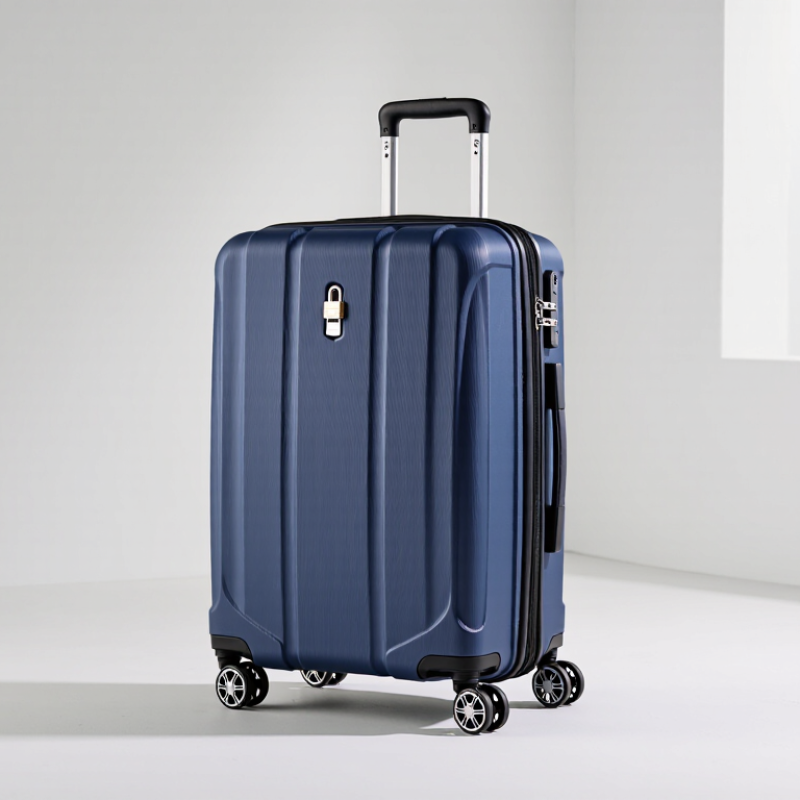
Define Carry-On Size Limits: IATA’s 56 × 45 × 25 cm Cabin Standard
The best carry-on suitcase is not simply the largest one available. It should fit practical cabin limits without forcing passengers to compress every item. IATA commonly references a cabin size of 56 × 45 × 25 cm, including wheels, handles, and external pockets. This measurement is a useful planning standard, not a universal guarantee. Airlines may apply smaller limits, especially on busy routes or smaller aircraft.
I measure my suitcase after packing it. That habit exposed a small problem: full front pockets can add several centimetres. A rigid case may protect clothing better, while a soft-sided case can offer useful flexibility. However, flexibility does not excuse overfilling. The case should slide into a measuring frame without pressure. Check the airline’s current baggage page before departure, because airport staff usually follow the operating carrier’s rules. Cabin approval can still depend on weight.
Tips:
Choose a suitcase close to, but not beyond, 56 × 45 × 25 cm. Measure every side, including protruding wheels and handles. Pack heavier items near the base. Keep one small personal item within the stated allowance. A compact tape measure helps during return trips. I once trusted a suitcase label and skipped measuring it myself. That was careless. Also inspect zippers, wheel movement, and handle stability before travel; size matters, but a damaged wheel can quickly ruin an otherwise sensible choice.

Compare Airline Weight Rules: Common Limits Range from 7 to 10 kg
What Is the Best Carry-On Suitcase for Travel?
Choosing the best carry-on suitcase starts with the airline’s weight limit, not its appearance. Many airlines allow only 7 to 10 kilograms in the cabin. That range sounds small. A sturdy case with thick panels, large wheels, and a metal handle may already weigh two or three kilograms. Check the empty weight before buying. Every extra kilogram reduces space for clothing, toiletries, and electronics.
Airline rules can differ by route, fare type, and aircraft. Some tickets include a cabin suitcase, while others permit only a smaller personal item. Dimensions matter too, especially when the overhead compartment is full. Always compare the suitcase measurements with the airline’s official baggage page. Do not rely on a shop’s “standard cabin size” label. It may fit one carrier but fail another’s limit.
A practical test is simple. Pack the suitcase at home, then weigh it with a reliable luggage scale. Include shoes, chargers, and the suitcase itself. Leave a small margin below the stated limit. Scales can vary, and airport staff may use different equipment. I once packed exactly to the limit and had to remove a jacket at check-in. That mistake changed my preference toward lightweight cases, even when they offer less protection. Smooth wheels, a firm handle, and an organized interior still matter, but weight should be checked first.
What Is the Best Carry-On Suitcase for Travel? Compare Airline Weight Rules: Common Limits Range from 7 to 10 kg
| Comparison Dimension | Compact Cabin Case | Standard Carry-On Case | Lightweight Carry-On Case | Expandable Carry-On Case | Practical Travel Guidance |
|---|---|---|---|---|---|
| Typical External Dimensions | Approximately 50 × 35 × 20 cm | Approximately 55 × 40 × 20–23 cm | Approximately 55 × 35–40 × 20–23 cm | Approximately 55 × 40 × 20–25 cm when expanded | Always compare the complete external dimensions, including wheels, handles, and side pockets. |
| Typical Empty Weight | 2.0–2.8 kg | 2.5–3.8 kg | 1.8–2.7 kg | 3.0–4.2 kg | A lighter case leaves more of the airline allowance available for clothing and electronics. |
| Typical Usable Capacity | 25–35 litres | 35–45 litres | 32–42 litres | 40–50 litres when expanded | Capacity depends on shell thickness, frame design, wheels, and internal compartments. |
| Common Cabin Weight Limit | 7–10 kg | 7–10 kg | 7–10 kg | 7–10 kg before any additional restrictions | Common airline cabin limits range from 7 to 10 kg, but the exact allowance varies by route, fare, and cabin class. |
| Lower Weight-Limit Scenario | Useful when the limit is about 7 kg | May require careful packing at 7 kg | Best suited to a strict 7 kg limit | Expansion should normally remain closed | Choose a case with a low empty weight and weigh the packed bag before leaving. |
| Higher Weight-Limit Scenario | Comfortable under a 10 kg allowance | Provides more room for clothing and shoes | Leaves the most weight for contents | Offers the greatest packing volume if dimensions remain compliant | A higher weight allowance does not automatically permit larger dimensions. |
| Personal-Item Compatibility | Often leaves room for a small personal item | Usually paired with a small under-seat bag where permitted | Works well with a compact laptop or day bag | May be less convenient when combined with a large personal item | Personal-item size and weight rules are separate from the main cabin-bag allowance on many journeys. |
| Packing Capacity at 7 kg | Good for 1–3 days of light clothing | Good for 2–4 days if packed efficiently | Good for 2–4 days with maximum weight efficiency | Volume may exceed the practical weight limit | At a 7 kg limit, weight is usually reached before the case is completely full. |
| Packing Capacity at 10 kg | Good for short trips | Good for approximately 3–5 days | Good for approximately 3–5 days | Good for longer short trips if the expanded size is accepted | Shoes, toiletries, and electronic accessories can use a significant portion of the allowance. |
| Best Use Case | Short city breaks and strict size controls | General-purpose air travel | Frequent travel with strict weight limits | Trips requiring flexible packing volume | For most travelers, a lightweight standard-size case offers the best balance of capacity and compliance. |
| Main Advantage | Small footprint and easy maneuverability | Balanced capacity and availability | Maximum usable weight allowance | Flexible capacity for return-trip purchases | Prioritize the feature that matches the strictest rule on your itinerary. |
| Main Limitation | Limited space for bulky items | Can become heavy when fully packed | May have thinner materials or fewer structural features | Expansion can exceed the permitted depth or increase total weight | Do not expand the case unless the resulting dimensions are still within the applicable allowance. |
Airline baggage policies can differ by route, aircraft, fare type, cabin class, and operating carrier. Confirm the current size and weight allowance for every flight before departure, and measure the suitcase with its wheels and handles included.
Evaluate Materials and Durability Through Polycarbonate and Aluminum Data
What Is the Best Carry On Suitcase for Travel?
Material choice strongly affects a carry-on suitcase’s weight, resilience, and daily handling. Polycarbonate has a density near 1.2 g/cm³, much lower than aluminum at roughly 2.7 g/cm³. That difference matters when airlines weigh your luggage. A polycarbonate shell usually flexes under pressure and can recover from moderate impacts. It is practical for crowded overhead bins and uneven sidewalks.
Aluminum offers a firmer structure and a distinctive solid feel. Instead of flexing, it may dent after a hard impact. A dent can look unpleasant, but it may not immediately affect the suitcase’s function. Polycarbonate can also scratch and develop stress marks, especially around corners and wheel housings. Neither material is perfect. The shell is only one part of durability.
I once focused too much on shell thickness and ignored the handle connection. That was a mistake. A strong case can still fail when its telescoping handle wobbles or its wheels bind. Look for reinforced corner areas, smooth wheel rotation, and tightly attached interior lining. Check the empty weight, because a heavy aluminum frame reduces packing capacity. For frequent train travel, polycarbonate may offer easier lifting and better impact recovery. For organized packing and a rigid feel, aluminum can be appealing. Test the handle with one hand. Listen for rattling. Small noises often reveal weak construction before the first trip.
Assess Wheels, Handles, Capacity, and TSA 3-1-1 Packing Compatibility
The best carry-on suitcase balances movement, storage, and screening convenience. During frequent trips, I have found that smooth wheels matter most on uneven airport floors. Four rotating wheels offer easy direction changes, but recessed wheels usually protect capacity better. Check the wheel housing carefully. Loose axles can become a serious problem after several journeys.
Handles also deserve practical testing. A telescoping handle should lock firmly without excessive side movement. It should feel comfortable when pulling the suitcase beside your leg. Measure the suitcase with wheels and handles included. Airline size limits differ, and a few extra centimeters may create trouble at the gate. I once ignored this detail and lost useful time during boarding.
Capacity is not only about liters. A structured interior prevents clothing from collapsing, while compression panels can create space for a small toiletry pouch. For TSA 3-1-1 packing, place liquids, aerosols, gels, creams, and pastes in containers of 3.4 ounces (100 milliliters) or less. Keep them together in one clear, quart-sized bag. Store that bag near the top. Screening becomes faster. Solid toiletries can reduce crowding. Chargers and electronics should remain accessible, too. A suitcase with a wide opening helps, although I still overpack when traveling in cold weather. That habit deserves more discipline.
Select the Best Suitcase by Trip Length, Budget, and Airline Policy
What Is the Best Carry-On Suitcase for Travel?
The best carry-on suitcase depends on trip length, budget, and airline policy. For a weekend, choose a compact case with about 30–40 liters of space. It should fit two outfits, toiletries, and one pair of spare shoes. For seven days, a 40–45-liter case may work with careful packing. Laundry access matters more than extra volume.
Airline rules should guide your purchase. There is no single global carry-on size standard. IATA recommends checking the operating airline’s current limits before departure. Some carriers measure wheels and handles, while others also enforce weight limits. SITA’s 2024 Baggage IT Insights report recorded 6.9 mishandled bags per 1,000 passengers in 2023. A lightweight, identifiable suitcase can reduce stress at crowded airports, although it cannot prevent every handling error. I have learned this the hard way.
Tips: Measure the packed case, not the empty shell. Leave two centimeters of space. Check the airline website 24 hours before flying. A budget case may be sensible for occasional trips, but frequent travelers should prioritize wheel quality, a strong telescopic handle, and repairable parts. Hard shells resist rain and rough contact, while soft cases often offer easier expansion. Neither option is perfect. Overspending does not guarantee better travel.
What Is the Best Carry-On Suitcase for Travel?
Select the best suitcase by trip length, budget, and airline policy.
The chart compares common maximum carry-on size profiles. Volumes are calculated from the stated external dimensions, so usable packing space will be lower because of wheels, handles, frame structures, and shell thickness.
A compact 20–35 L suitcase is usually sufficient for light clothing and basic toiletries.
A 35–45 L carry-on offers a practical balance between clothing capacity and airline compatibility.
Lower-cost luggage can work well for occasional trips. Always check the exact airline limits before choosing a larger 22–23 inch case.
Article Source:
Contact Us
Phone: (650) - 522-4653 (GOLF)
Fax: (650) 522-7511
Tee Time Reservations: (650) 522-4653 (GOLF)
Location
1700 Coyote Point Drive
San Mateo, CA 94401