What Are Custom Soccer Medals?
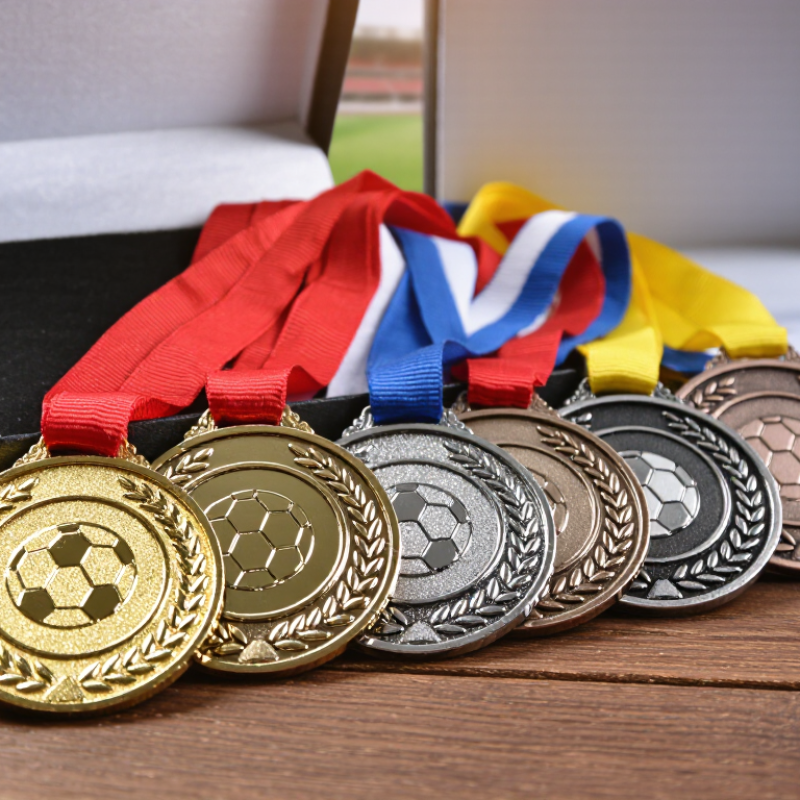
Custom Soccer Medals are personalized awards that recognize effort, achievement, or participation in soccer. They give a season’s hard work a tangible form. For players, coaches, and organizers, a medal can mark a first goal, a final whistle, or years of steady teamwork. With a custom design, teams can choose shapes, colors, ribbons, and engraved details that reflect their event.
Small details matter. A team crest, tournament date, age group, or short message can make an award feel connected to the people receiving it. Yet customization alone does not make a medal meaningful. If the lettering is hard to read, the finish feels flimsy, or delivery misses the ceremony, a thoughtful idea may disappoint. Planning should include more than appearance. Consider medal size, material, ribbon attachment, artwork clarity, order quantities, and production timing. Ask for a proof and confirm every name and date before approving the design. These steps sound basic. They are easy to overlook.
This article explains what Custom Soccer Medals are, how common design choices work, and what buyers can check before ordering. It also considers how medals can recognize different contributions, from match winners to every participant. An award should support genuine encouragement, not replace it. The best choice depends on players’ ages, the event’s tone, the budget, and how the medals will be presented. There is no perfect medal for every club. A clear purpose helps. With sensible choices and realistic expectations, a custom medal can become a lasting reminder of a shared season—not just an object tucked into a drawer.
Definition and Purpose of Custom Soccer Medals
Custom soccer medals are awards made for a particular team, tournament, or season. Unlike generic medals, they can carry an event name, year, age group, team colors, or a small soccer motif. Their purpose is to mark participation or achievement in a way players can keep. A medal might recognize a championship, fair play, an improved season, or completing a first season. Decide what it represents before choosing its design. Otherwise, a shiny award can feel oddly vague.
For organizers, medals can help create a shared memory. A child may remember the final whistle, muddy socks, and a medal placed around their neck more vividly than the score. Coaches can use thoughtful wording so recognition is not limited to top scorers. “Team Spirit” or “Season One” can celebrate contributions without suggesting every award measures the same skill. Keep the text readable; tiny lettering can disappear on a small disc. Finish, ribbon length, and edge quality affect how a medal feels, while budget and delivery time matter too. Details can be missed.
Tips: Choose what the medal recognizes before selecting its shape or color. Check spelling, dates, and names on a proof, then make sure the text fits the medal. Ask a few players what they would actually keep; adults sometimes guess wrong. Custom medals cannot replace thoughtful coaching, but they can give a season a tangible ending. It may not be perfect, and still be meaningful.
Common Materials, Shapes, and Design Features
Custom soccer medals commonly use zinc alloy, iron, brass, or aluminum. Zinc alloy suits raised details, such as a stitched ball or a fine stadium outline. Iron feels solid, while aluminum is lighter for large award sets. A polished, antique, or matte finish changes how each material reads under indoor lights. Enamel adds team colors, though small lettering can become hard to read.
Shapes often include circles, shields, stars, and soccer-ball silhouettes. Some designs use a cutout pitch or a raised goal frame. Keep the ribbon slot wide enough to prevent twisting. Small details matter. A very thin rim may look sleek but feel flimsy in hand; check a physical sample when possible.
For lighter-weight options, the International Aluminium Institute reports that recycled aluminum requires about 5% of the energy used to produce primary aluminum. That figure can inform material choices, but it does not tell the whole story: finish, thickness, and manufacturing also affect a medal’s durability and feel.
How Personalization Shapes a Medal’s Appearance
What Are Custom Soccer Medals?
How Personalization Shapes a Medal’s Appearance
A custom soccer medal is shaped by choices made before the metal is struck. A team may choose a shield outline, a ball motif, or a tiny pitch etched behind the event name. Raised lettering catches light; recessed lettering feels quieter and can stay readable on small designs. Color matters, too. A narrow enamel border can echo team colors without crowding the center. The ribbon completes the look, especially when its width and pattern match the medal’s scale.
Personalization is not just decoration. McKinsey & Company’s 2021 report, Next in Personalization, found that 71% of surveyed consumers expected personalized interactions, while 76% felt frustrated when they did not receive them. These figures cover consumer experiences broadly, not soccer medals specifically, so they should guide thinking, not predict medal sales. For a tournament medal, practical details still count: keep the player’s name legible, limit tiny symbols, and test colors under indoor lighting. Less can work better. A common misstep is fitting every sponsor, date, and mascot onto one face. The result can feel crowded; leaving some space may be the harder choice.
What Are Custom Soccer Medals? — How Personalization Shapes a Medal’s Appearance
Base-metal density affects a medal’s weight and feel, while shape, raised details, colors, and ribbon design personalize its appearance.
Approximate density of pure metals at room temperature. Custom medals may use alloys, whose properties can differ.
How Custom Soccer Medals Are Made
What Are Custom Soccer Medals?
How Custom Soccer Medals Are Made
Making a custom soccer medal begins with a design brief. It should specify the event name, year, size, shape, and finish. A designer then turns those details into a production-ready drawing, checking that small lettering will remain readable. A ball pattern may look sharp on screen but become crowded when reduced. That is worth catching early.
Next, a factory creates a mold or stamping die, depending on the medal’s material and construction. Zinc alloy is often cast into detailed shapes; thinner metal designs may be stamped. After forming, workers smooth rough edges and apply a chosen finish, such as antique gold or bright silver. Color can be added with enamel, then cured and inspected. Details matter. A sample should be checked for weight, color, lettering, and sharp edges before the full run begins. If the colors look different under indoor lighting, the artwork or finish may need adjustment.
The ribbon is usually printed or woven separately, then attached to each medal. Before packing, staff count the pieces and check that the attachments hold firmly. For a school tournament, a comfortable ribbon and clear event date may matter more than elaborate decoration. Production is not perfectly predictable; plating can vary slightly between batches. Allowing time for a sample review makes corrections easier and helps prevent a disappointing surprise on award day.
Where Custom Soccer Medals Are Used and Awarded
Custom soccer medals are awarded at youth tournaments, school championships, weekend leagues, and club end-of-season events. They can recognize champions, runners-up, tournament MVPs, goalkeepers, or every player who completed a season. A medal engraved with the event date or team name helps make a specific match day tangible. Small details matter: a ribbon in team colors, a soccer-ball relief, or a player’s name on the back.
Participation figures show how many settings may need awards. The NFHS 2023–24 High School Athletics Participation Survey recorded more than 800,000 soccer participations at U.S. high schools. FIFA’s 2023 Professional Football Report counted 128,694 professional players across 3,986 clubs in 135 countries. These figures describe different levels of the game, but both point to broad team structures where recognition has a place. For organizers, medals work best when categories and quantities are set before the final whistle, especially when younger teams expect each player to be recognized. Still, not every award feels equally meaningful. A medal cannot replace fair play, a well-run event, or a coach’s personal thanks.