(650) 522-4653

Top 10 LA Country Club Types Global Buyers Should Know?

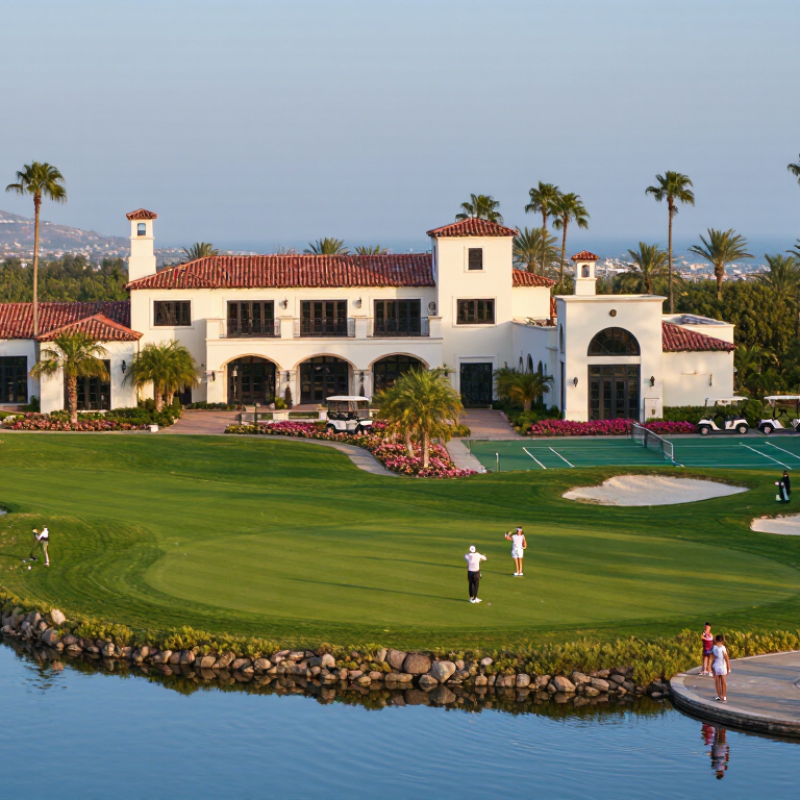
For global buyers, understanding a la country club requires more than comparing membership fees. Los Angeles offers a layered club culture shaped by geography, history, sport, and social expectations. A private golf club near Bel-Air feels very different from a coastal club in Santa Monica. A family-oriented club may prioritize pools, tennis courts, and dining rooms. Another may focus almost entirely on championship golf.

Golf commentator David Feherty once said, “Golf is a game of inches. The most important are the six inches between your ears.” His observation also suits club research. Buyers must look beyond polished entrances and manicured fairways. They should examine governance, initiation costs, annual dues, guest rules, waiting lists, renovation plans, and community fit. Small details matter.

This guide explores ten la country club types that international buyers should recognize. The categories are practical, not absolute. Some clubs overlap. A historic golf institution may also operate as a powerful social network. A country club near the coast may offer wellness programs and family events. Private access does not always guarantee privacy.

Local experience remains essential. Review official club materials, request current financial information, and consult qualified California real estate and tax professionals. Membership benefits can change. Fees can rise. Expectations may differ between residents and overseas owners.

The process is not perfectly predictable. That is worth admitting. A club can look ideal online and feel unsuitable in person. Spend time observing a weekend lunch, a junior tennis session, and the evening traffic nearby. The right choice depends on lifestyle, patience, and informed judgment—not prestige alone.
Top 10 LA Country Club Types Global Buyers Should Know?

Understanding How Los Angeles Country Clubs Are Classified

Understanding How Los Angeles Country Clubs Are Classified

Los Angeles country clubs are classified by access, ownership, facilities, and location. Traditional private clubs usually require sponsorship, interviews, and board approval. Equity clubs may give members a financial interest, while non-equity clubs operate through membership agreements. These structures can affect fees, voting rights, and resale expectations.

Golf-focused clubs prioritize course access and practice areas. Athletic clubs emphasize tennis, fitness, swimming, and wellness. Family clubs add youth programs and social activities. Social clubs may focus more on dining, events, and networking than sport. Residential clubs connect membership with private communities, while resort-style clubs often welcome short-term guests.

These categories overlap. A club can be private, residential, and golf-focused at once.

Tips: Ask for the current membership rules, initiation costs, annual dues, guest limits, and resignation policy. Request written details. Verbal promises can change.

From experience, international buyers should study daily operations, not only photographs or prestige. A beautiful clubhouse may feel unsuitable if peak tee times are restricted. A family program may be valuable for one household but unnecessary for another. Location also matters. Traffic, seasonal events, and airport access can shape real usage. Classification is helpful, but it is not perfect. Membership terms, local demand, and governance may change over time. Buyers should compare official documents, inspect facilities personally, and speak with several current members. Independent legal and financial advice is sensible before signing any agreement.

Comparing Private, Semi-Private, and Public Club Models

Private, semi-private, and public clubs offer very different experiences for global buyers exploring Los Angeles golf property. A private club usually provides controlled access, quieter facilities, and stronger social continuity. Membership may require sponsorship, interviews, joining fees, and annual dues. These costs can change significantly, so buyers should request current schedules in writing.

Semi-private clubs often combine member privileges with public tee times. This model can provide more flexibility, especially for overseas owners who visit seasonally. However, weekend access may become competitive during peak months. Public clubs generally offer the simplest entry and clearer booking procedures. They may suit buyers who value convenience over exclusivity, although course conditions and pace of play can vary.

Location matters more than many brochures suggest. A home near a club is not automatically convenient when traffic turns a short drive into an hour. Buyers should test the route at morning and weekend times. They should also examine guest rules, locker fees, dining charges, renovation plans, and membership transfer terms. Local property advisers and qualified legal professionals can verify these details before purchase.

No model is perfect. Private access can feel restrictive, while public access can feel unpredictable. A polished facility may still have weak resale appeal. My own preference would depend on usage, not prestige. A buyer visiting twice a year may overpay for privileges that remain unused. That is an easy mistake.

Exploring Golf-Focused, Social, and Family-Oriented Club Types

Los Angeles country clubs vary less by appearance than by purpose. For global buyers, the most useful starting point is identifying the club’s daily rhythm. Golf-focused clubs prioritize course access, practice facilities, competitive events, and disciplined tee-time systems. A typical morning may include maintenance crews, early tournaments, and members reviewing handicap requirements over coffee. These clubs often suit buyers who value structured recreation and measurable performance.

Social clubs place greater emphasis on dining, networking, cultural events, and elegant shared spaces. Their calendars may include wine education, seasonal dinners, fitness classes, and private business gatherings. The golf course, if available, may support the lifestyle rather than define it. Buyers should examine guest policies, membership categories, and minimum spending rules carefully. Attractive interiors do not always indicate strong community engagement.

Family-oriented clubs are designed around repeated, multi-generational use. Children’s swim programs, junior sports, casual restaurants, and supervised holiday activities can shape the membership experience. Parents may appreciate a relaxed dress code and weekend programming, while older children may prefer golf training or tennis leagues. Still, “family-friendly” can mean different things. Ask about age limits, childcare arrangements, school-holiday schedules, and actual participation levels.

No category is perfect. A golf-focused club may feel quiet after sunset. A social club may offer limited sporting depth. A family club can become crowded during summer afternoons. Firsthand visits, conversations with current members, and careful review of fees provide more reliable insight than promotional descriptions. Local traffic patterns also matter; a beautiful facility becomes less practical when regular travel takes an hour.

Assessing Location, Amenities, Membership, and Access Requirements

For global buyers, Los Angeles country clubs are not one uniform market. Location affects daily value more than glossy photography suggests. The INRIX 2024 Global Traffic Scorecard lists Los Angeles among America’s most congested metropolitan areas. A club 12 miles away may require nearly an hour during weekday peaks. Test the route from the airport, residence, and business district. Visit twice. Traffic changes quickly.

Amenities should match actual routines, not imagined lifestyles. The National Golf Foundation reported 28.1 million on-course golfers in the United States during 2023. However, many buyers use fitness, tennis, dining, pools, and family programs more frequently than the course. The Global Wellness Institute valued the global wellness economy at $6.3 trillion in 2023. That figure supports demand for serious wellness facilities, but expensive equipment does not guarantee useful programming. Ask about class schedules, instructor credentials, maintenance, and seasonal availability.

Membership requires sharper due diligence. Request initiation fees, monthly dues, capital assessments, food minimums, guest charges, and resale conditions in writing. Confirm whether international members receive equal booking windows and voting rights. Ask about sponsorship, interviews, waitlists, and temporary access during relocation. Review audited financial statements when available. A beautiful clubhouse can conceal rising costs. I would also question my own assumptions: prestige may matter less than a reliable 20-minute visit. Availability is often the real luxury.

Evaluating Ownership Value for International Country Club Buyers

For international buyers, Los Angeles country clubs differ more than their polished entrances suggest. Golf clubs offer fairway access and tournament culture. Urban athletic clubs emphasize fitness, wellness, and business networking. Family clubs prioritize childcare, pools, and holiday programs. Beach clubs sell proximity to coastal recreation. Equestrian clubs serve riders and horse owners. Yacht-oriented clubs focus on marina access. Social clubs center on dining and events. Racquet clubs attract tennis and pickleball players. Resort-style clubs combine lodging, golf, and leisure. Private lifestyle clubs may offer flexible amenities without traditional golf facilities.

Ownership value requires more than comparing initiation fees. Buyers should review annual dues, guest charges, food minimums, renovation assessments, and transfer rules. A local property adviser can verify whether membership is refundable, transferable, or merely a usage right. Cross-border tax counsel should examine currency exposure, reporting duties, and possible ownership structures. Rules may also limit voting rights for nonresident members. Read the governing documents carefully.

A useful test is simple: how often would you realistically use the facilities? A distant club may look prestigious but lose value after several long flights. Track weekday access, seasonal closures, parking, waitlists, and guest restrictions. Ask for audited financial statements and recent meeting records. Service quality matters too. Staff turnover can reveal operational weakness before visible decline. My own bias favors clubs with transparent governance over impressive décor. I may still underestimate emotional value, especially for families seeking community. That uncertainty deserves a written budget, not an optimistic assumption.

Top 10 Los Angeles Country Club Types Global Buyers Should Know

Ownership-value evaluation for international country club buyers

The chart compares common Los Angeles private-club models using a 1–5 buyer-value index. Scores reflect the practical importance of access rights, lifestyle utility, family use, international appeal, and potential resale or transfer flexibility. Private clubs generally sell memberships or transferable rights rather than direct ownership of club real estate, so buyers should verify dues, initiation fees, transfer rules, tax treatment, and usage restrictions before investing.

Index interpretation: 1 = limited relative value; 5 = strong relative value. The scoring is a comparative framework, not a statement of club-specific pricing or investment returns.

Contact Us

Phone: (650) - 522-4653 (GOLF)

Fax: (650) 522-7511

Tee Time Reservations: (650) 522-4653 (GOLF)

Location

1700 Coyote Point Drive

San Mateo, CA 94401