Top 10 Imitation Grass Suppliers for Global Buyers
Global buyers sourcing Imitation Grass for sports fields, gardens, and commercial landscapes need more than an attractive catalog. A supplier’s production consistency, material specifications, and shipping capability can shape project results. Yet product claims vary widely, and a polished photograph cannot reveal how turf handles foot traffic, heat, drainage, or prolonged sunlight. Ask for sample swatches, technical sheets, warranty terms, and clear details about pile height, backing, and UV resistance. Details matter. A sample can feel soft indoors, then flatten beside a busy walkway; this is easy to overlook.
This guide compares ten Imitation Grass suppliers through practical factors relevant to international buyers, including product range, customization, quality documentation, communication, and export experience. It also highlights questions worth asking before requesting a quote, such as minimum order quantities, lead times, packaging, and after-sales support. Where possible, buyers should check independent references, review project photos, and confirm that stated specifications match delivered samples. No list replaces due diligence. That limitation matters. Supplier rankings can shift with market conditions, freight costs, and changing product lines. A careful comparison helps narrow the field, but the final choice should fit the climate, intended use, budget, and installation plan. A rooftop terrace may need different drainage and backing than a school play area. The best supplier is not always the cheapest or largest; consistent specifications and responsive service can matter more over a project’s lifetime.
What Imitation Grass Is and How It Is Used
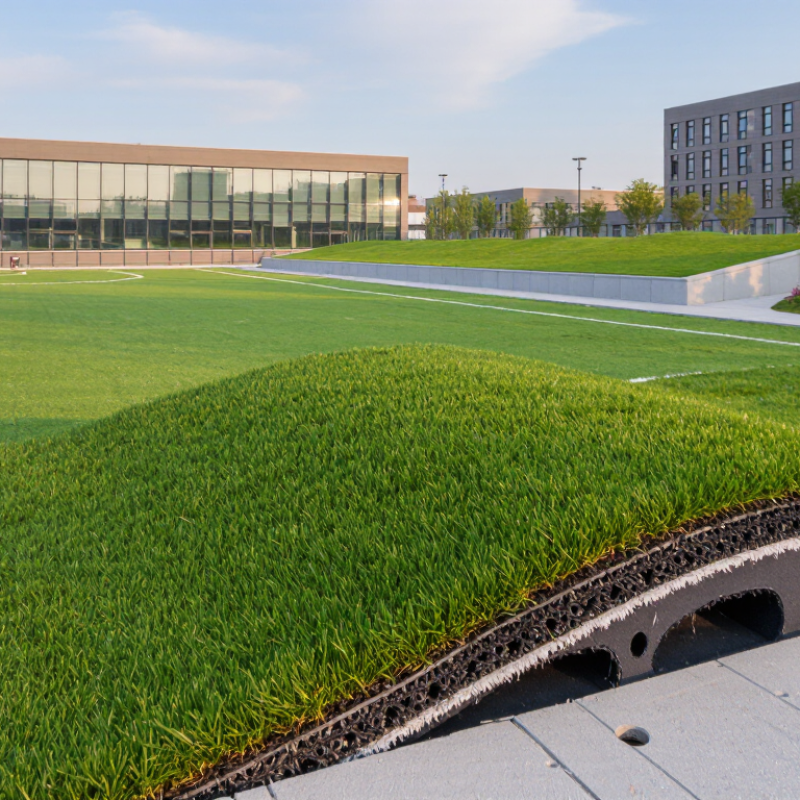
Imitation grass, also called artificial turf, is a manufactured surface designed to look like a natural lawn. Its blades are typically made from synthetic yarns, such as polyethylene, and are attached to a backing. Some styles add a short thatch layer for a fuller appearance. Tiny details matter. Blade height, density, and texture affect how the surface looks and feels underfoot. Perforations in the backing help water drain, but drainage also depends on the base and installation.
People use imitation grass on home lawns, balconies, rooftops, and around pools. It also appears in pet areas, event spaces, and sports settings, where product specifications should match the intended activity. For example, a play area may need a suitable cushioning layer beneath the turf. It does not need mowing or regular watering, but it still needs care. Leaves and grit should be removed, and flattened blades may need brushing. One drawback is easy to overlook: synthetic surfaces can become hot in strong sun. Checking samples outdoors, including after rain, gives buyers a more realistic sense of color, drainage, and feel.
Top 10 Imitation Grass Suppliers for Global Buyers - What Imitation Grass Is and How It Is Used
Imitation grass, also called artificial grass or synthetic turf, is a surface made from synthetic fibers attached to a backing. Common face-fiber materials include polyethylene, polypropylene, and nylon. Depending on the product and installation, turf may be used with infill or as a non-infill system. Applications include landscaping, sports surfaces, play areas, balconies, and indoor displays.
The entries below are ten common supplier types and sourcing channels, not a ranking of named companies. Product availability, specifications, certifications, and export capabilities vary by supplier and should be verified directly.
| No. | Supplier type | Typical products or role | Common applications | What global buyers should check |
|---|---|---|---|---|
| 1 | Integrated turf manufacturer | May manage several stages, such as yarn production, tufting, backing, and finishing. | Landscaping, sports, and project-specific turf orders. | Ask which production stages are performed in-house, and request product specifications and samples. |
| 2 | Tufted-turf producer | Tufts synthetic yarn through a primary backing; backing coatings may be applied in a later process. | Residential lawns, commercial landscaping, and some sports products. | Compare pile height, stitch rate, gauge, yarn shape, and backing construction. |
| 3 | Synthetic turf yarn producer | Supplies polymer yarn or fibers, commonly made from polyethylene, polypropylene, or nylon. | Turf manufacturers needing particular fiber profiles, colors, or performance characteristics. | Confirm polymer type, fiber dimensions, color consistency, and compatibility with the intended use. |
| 4 | Sports-turf specialist | Focuses on systems designed for sports, which may include turf, infill, shock pads, and installation components. | Football, hockey, tennis, and other sports surfaces, depending on the system design. | Check sport-specific performance requirements, system compatibility, testing documentation, and installation guidance. |
| 5 | Landscape-turf specialist | Offers turf styles intended for decorative appearance, drainage, and everyday outdoor use. | Gardens, courtyards, roof terraces, and commercial grounds. | Review drainage design, backing, UV-weathering information, maintenance guidance, and intended traffic level. |
| 6 | Play-area turf supplier | Supplies turf systems for play spaces, sometimes paired with a shock-absorbing underlay. | Playgrounds, childcare settings, and recreation areas. | Verify applicable local safety requirements and test reports for the complete surface system, not turf alone. |
| 7 | Turf-system and component supplier | Provides complementary items such as infill, joining tape, adhesives, edging, or underlay, where available. | New installations and repairs requiring compatible system components. | Confirm component compatibility, installation instructions, quantities, and any material or handling requirements. |
| 8 | Regional importer or distributor | Sources products from manufacturers and resells them within a local or regional market. | Smaller projects, local stock orders, and buyers seeking regional support. | Check stock availability, origin documentation, warranty terms, delivery lead times, and after-sales support. |
| 9 | Contract and project supplier | Coordinates product sourcing and project requirements for larger or specification-led orders. | Public spaces, commercial sites, and multi-area installations. | Request a written scope, product submittals, sample approval process, delivery plan, and clear responsibility boundaries. |
| 10 | Custom and private-label producer | May manufacture to agreed specifications or packaging requirements, subject to order volume and production capability. | Importers, retailers, and buyers with defined product or packaging requirements. | Agree on tolerances, sample approval, minimum order quantities, packaging, inspection, and intellectual-property terms. |
Buyer note: Compare quotations using the same product specification. Useful details include fiber material, pile height, stitch rate, total product weight, backing and coating, drainage characteristics, intended application, test documentation, packaging, delivery terms, and warranty conditions. Confirm all claims and applicable standards for the destination market before ordering.
Contact Us
Phone: (650) - 522-4653 (GOLF)
Fax: (650) 522-7511
Tee Time Reservations: (650) 522-4653 (GOLF)
Location
1700 Coyote Point Drive
San Mateo, CA 94401