Top Crew Ankle Socks Manufacturers for Global Buyers
Finding the right Crew Ankle Socks manufacturer involves more than comparing prices and product photos. Global buyers need to assess fabric quality, knitting consistency, fit, production capacity, and communication. A sample may feel soft in hand, yet still lose shape after repeated washing. Details matter.
This guide introduces manufacturers serving different sourcing needs, from everyday cotton blends to performance-focused designs. It also highlights practical checks: request size charts, review stitching at the toe and heel, and compare samples against your own specifications. Ask about minimum order quantities, lead times, packaging options, and quality-control procedures before committing. Clear answers are useful; vague promises deserve a closer look.
No checklist removes every risk. Supplier information can change, and a polished catalog alone does not prove reliable production. Buyers should confirm claims with current documentation, sample testing, and direct discussions about capacity and delivery schedules. Where relevant, request evidence for material or environmental claims rather than relying on broad marketing language. The right partner is not always the largest or cheapest. It is the manufacturer whose capabilities match the product, order volume, and standards your business can verify.
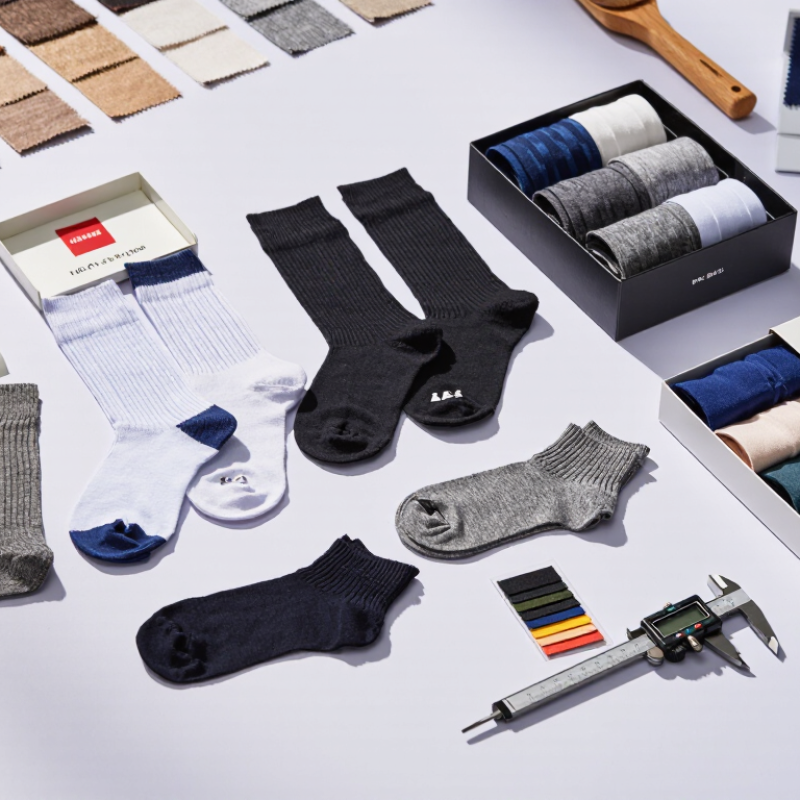
Understanding Crew Ankle Socks and Their Global Market
Crew ankle socks sit between two familiar styles, though the name is not used consistently. A crew sock usually rises above the ankle, while an ankle sock rests near the ankle bone. Some sellers use “crew ankle” for a shorter crew cut. Buyers should check the measured height, not rely on the label alone. Fit matters.
Across global markets, preferences vary with climate, footwear, and daily routines. A warm-weather customer may want a thin knit that fits inside a low shoe. A customer in a cooler region may prefer more coverage and a cushioned sole. Material blends also shape feel, drying time, stretch, and durability. Cotton-rich yarns feel familiar, while synthetic fibers can help manage moisture during active use.
For sourcing, buyers can request a size chart, fiber details, colorfastness information, and samples in several sizes. They should examine the cuff for pressure, the toe seam for bulk, and the heel after washing. Small details count. Even a careful specification sheet may not capture how a sock feels after a full day; that gap deserves more attention. Demand forecasts can also be imperfect, especially when styles and seasonal needs change. A practical review combines supplier records with wear testing from the intended market.
Top Crew Ankle Socks Manufacturers for Global Buyers: Understanding Crew and Ankle Socks and Their Global Market
Global Textile Fiber Production Mix (2022)
Fiber availability is one factor global buyers consider when sourcing crew and ankle socks. Polyester and cotton together accounted for approximately 76% of global fiber production in 2022. “Other fibers” groups all remaining fiber types. These figures describe the wider textile industry, not sock production specifically.
Source: Textile Exchange, Materials Market Report 2023. Shares are approximate.
How Crew Ankle Socks Are Designed and Manufactured
A crew ankle sock begins with a fit brief: cuff height, shoe collar, season, and intended use. The cuff should stay up without pinching. Designers map stretch zones before choosing yarns. A common construction blends durable synthetic yarn with cotton or other soft fibers, then adds elastane for recovery. Small changes matter. A bulky toe closure may rub inside a low shoe.
Knitting machines form the tube, heel pocket, toe, and ribbed cuff. Needle count and stitch density affect thickness, airflow, and fit. Terry loops can cushion the sole, while tighter knitting reduces bulk. The Textile Exchange 2024 Materials Market Report estimates global fiber production reached 124 million tonnes in 2023. Polyester accounted for about 57%. This is useful market context, not sock-specific evidence.
After knitting and finishing, factories check dimensions, seam flatness, color consistency, and stretch recovery. Wash and abrasion tests can reveal problems before bulk packing. Still, samples cannot predict every wearer’s experience. Development teams can record shrinkage, heel slippage, and wear-test feedback, then adjust the knit structure. Comfort remains personal.
Key Criteria for Evaluating Sock Manufacturers
For global buyers, evaluating a crew ankle sock manufacturer starts with consistency, not a polished sample. Request several size runs and compare heel placement, cuff pressure, toe seams, and fabric recovery after washing. A sample can look excellent. Bulk production is the real test. Ask how the factory tracks yarn lots, machine settings, and inspection results between orders.
Material information should be specific. Request fiber percentages, yarn construction, and expected shrinkage, then assess them against the intended use. For daily wear, try the socks inside actual shoes after a full workday. For athletic use, check moisture movement and abrasion around the heel and forefoot. Lab reports help, but they cannot replace wear trials. Keep notes.
Capacity, lead times, and communication deserve equal scrutiny. Ask for realistic monthly output, a production timeline, and a clear process for addressing defects or delays. A manufacturer that acknowledges a limitation may be more dependable than one promising everything. Still, verify claims with dated records, a pre-production sample, and agreed quality tolerances. Price alone is a poor measure; savings can disappear through uneven sizing and repeated inspections. These checks reduce uncertainty, though no checklist removes every judgment call.
Leading Crew Ankle Socks Manufacturers and Their Capabilities
Leading crew ankle sock manufacturers offer more than high machine counts. Their capabilities cover yarn selection, knitting, linking, finishing, and inspection. Many work with combed cotton, recycled polyester, nylon, and elastane blends. Each fiber affects softness, drying speed, stretch recovery, and cost. Skilled teams explain these trade-offs with physical samples, not vague promises. Fit matters.
For product development, manufacturers can adjust cuff height, cushioning zones, toe seams, and heel shaping. Computerized knitting helps maintain patterns and sizing across production runs. Buyers can request size sets and wash-test results before approving bulk orders. Records for yarn lots and in-line checks help identify uneven tension or loose ends. Details count. Not every factory gets the first sample right.
Reliable suppliers also coordinate sampling, packaging, and delivery schedules. They should provide clear minimum order quantities, sample lead times, and realistic monthly output. Ask how they control shade variation between dye lots and define acceptable defects. Some facilities offer lower-impact yarns or processes, but claims need supporting documents. A factory tour or detailed video walkthrough can reveal storage conditions, machine maintenance, and how finished socks are inspected. The right partner depends on order volume, target price, and customization needs—not one impressive capacity figure.
Global Sourcing, Quality Standards, and Compliance Considerations
Global buyers should assess crew sock manufacturers beyond unit price and sample appearance. The factory should trace cotton, polyester, and elastane to yarn lots, then link each lot to knitting and dyeing records. Textile Exchange’s Materials Market Report 2024 estimates that global fiber production reached 124 million tonnes in 2023. That scale makes clear material records essential. Ask suppliers to document fiber composition and explain how they control recycled-content claims.
Quality checks should match the sock’s intended use. Request size measurements after washing, colorfastness results, and inspection records for toe seams, cuffs, and heel shaping. ISO test methods can help create comparable results, but buyers should agree on sampling and acceptance limits before production. Small details matter. A polished sample may not reflect bulk consistency. An audit is a snapshot, not a guarantee.
Compliance also depends on destination markets and buyer requirements. Confirm fiber-label rules, chemical restrictions, packaging details, and applicable social and environmental expectations for each shipment. Review current test reports and verify their scope, date, and tested material; a certificate alone may not cover every yarn or colorway. Factory visits and worker interviews can add context, though they take time and may reveal gaps that need follow-up. That is useful, if uncomfortable. Keep corrective-action records and assign clear deadlines.