Top 10 Breathing Strips Suppliers for Global Buyers
Global sourcing for Breathing Strips requires more than comparing prices and product photographs. Buyers must examine adhesive performance, skin comfort, material quality, packaging accuracy, production capacity, and delivery reliability. A strip may look excellent on a product page yet fail after several hours of wear. That small detail can damage customer trust.
Dr. Steven Y. Park, a sleep and breathing specialist, has emphasized, “The nose is not just a passageway for air; it is a vital part of the respiratory system.” This perspective helps buyers evaluate Breathing Strips as consumer health-support products, not simple adhesive accessories. Comfort matters. So does responsible communication. Suppliers should provide clear product specifications, testing records, ingredient information, and evidence of consistent manufacturing controls.
This guide reviews the Top 10 Breathing Strips Suppliers for Global Buyers. It focuses on practical sourcing factors, including private-label support, minimum order quantities, adhesive options, customization, certifications, quality inspection, and export experience. Factory photographs are useful, but independent verification is better. No supplier is perfect.
That is worth remembering.
Some manufacturers offer attractive pricing but limited documentation. Others provide strong quality systems but higher minimum orders. Buyers should compare the complete supply picture, including samples, lead times, carton protection, and after-sales communication. Regional requirements can also differ, so professional compliance advice may be necessary before launch. The strongest supplier is not always the cheapest. It is the one that can deliver safe, consistent, well-documented products at scale.
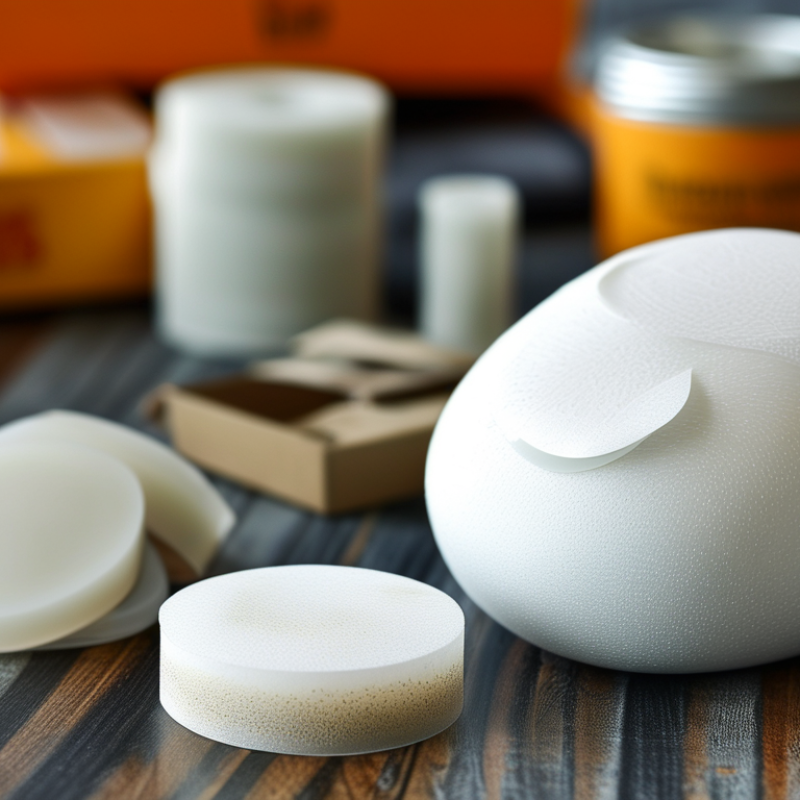
Breathing Strips: Purpose, Design, and Main Product Types
Breathing strips are designed to widen the nasal passage mechanically. They do not add oxygen or treat the cause of chronic congestion. An external nasal strip uses spring-like tension across the nose. An internal dilator supports the nostrils from inside. Both designs target airflow, but comfort and skin tolerance can differ sharply.
A 2023 systematic review in the American Journal of Rhinology & Allergy found that nasal dilators may improve perceived airflow, while evidence for better sleep quality remains limited. The American Academy of Sleep Medicine reports that 50–70 million U.S. adults have sleep disorders, increasing interest in simple nighttime products. Market research reports also project steady growth in the nasal strips category through 2030. Yet, projected demand is not proof of clinical benefit. That distinction matters for global buyers.
Tips: Check adhesive testing, latex status, strip width, and removal instructions. Ask suppliers for skin-sensitivity data and batch records. Compare external strips, internal dilators, and sensitive-skin versions separately. Avoid claims such as “cures snoring” or “prevents apnea.” A careful product page should explain limits clearly. One practical weakness is often missed: strong adhesion can improve staying power but irritate skin. Buyers should test humid climates, oily skin, and overnight movement before placing large orders. Packaging should also show materials, storage conditions, usage limits, and country-specific compliance information.

Breathing Strips: Purpose, Design, and Main Product Types
Breathing strips are non-drug devices designed to improve airflow by supporting or widening an airway passage. External nasal strips use adhesive-backed spring material across the nose, internal nasal dilators sit inside the nostrils, and mouth strips are placed over the lips to encourage nasal breathing during rest or sleep. The chart compares common design features rather than clinical performance.
Key Criteria for Evaluating Global Breathing Strip Suppliers
When comparing the top ten breathing strip suppliers, global buyers should examine more than product photos and quoted prices. Material quality matters. Ask whether the strip uses skin-safe adhesive, flexible backing, and consistent dimensions. Request samples from different production batches. A single perfect sample can mislead.
Supplier reliability appears in documents and daily communication. Check factory certifications, quality-control procedures, batch records, and complaint-handling processes. Confirm whether testing covers adhesive strength, residue, packaging stability, and shelf life. For international orders, review carton dimensions, moisture protection, labeling support, and export experience. Small details often affect customs clearance and warehouse costs.
Commercial terms also deserve close attention. Compare minimum order quantities, tooling fees, payment stages, production lead times, and replacement policies. Ask how the supplier manages sudden demand or raw-material shortages. A capable partner should provide clear answers, not vague promises. Independent inspections can verify quantities and packaging before shipment.
A scorecard helps, but it is not perfect. Price may hide weak support. A long factory history may not guarantee consistent performance. Buyers should record sample results, response times, and corrective actions during a trial order. Speak with the technical contact, not only the salesperson. Skin sensitivity also varies, so user feedback from several markets remains necessary. Be cautious with aggressive performance claims unless reliable testing supports them.
Top 10 Breathing Strips Suppliers for Global Buyers - Key Criteria for Evaluating Global Breathing Strip Suppliers
| Rank | Anonymized Supplier Profile | Core Manufacturing Capability | Typical Product Format | Common Materials | Indicative MOQ | Typical Lead Time | Quality Documents to Request | Customization Capability | Screening Score |
|---|---|---|---|---|---|---|---|---|---|
| 1 | Profile A — Medical Adhesive Specialist | Medical-grade adhesive coating and die-cutting | External nasal breathing strips | Nonwoven fabric, elastic polymer, hypoallergenic adhesive | 10,000–50,000 units | 20–35 days | ISO 13485 certificate, adhesive safety data, biocompatibility evidence, batch records | High: size, color, backing card, packaging and adhesive options | 94/100 |
| 2 | Profile B — High-Volume Converting Facility | Automated roll-to-roll converting and packaging | Standard and sports-use nasal strips | Polyester or rayon nonwoven, flexible reinforcement, acrylic adhesive | 50,000–200,000 units | 25–40 days | Process control plan, lot traceability, inspection report, packaging compliance records | Medium to high: dimensions, print, carton quantity and private-label packaging | 92/100 |
| 3 | Profile C — OEM Packaging Partner | Breathing-strip assembly with retail-ready packaging | Individually wrapped consumer packs | Nonwoven substrate, spring-like polymer support, skin-contact adhesive | 20,000–100,000 units | 30–45 days | Material declarations, artwork approval records, finished-goods inspection, shelf-life data | High: multilingual labeling, retail cartons, inserts and display packaging | 90/100 |
| 4 | Profile D — Flexible Medical Film Converter | Medical film lamination, slitting and precision die-cutting | Low-profile strips for sensitive skin | Breathable film, soft fabric, silicone or acrylic adhesive | 10,000–40,000 units | 25–40 days | Adhesion testing, moisture-vapor data, skin-contact assessment, dimensional inspection | High: breathable substrates, adhesive strength and strip geometry | 88/100 |
| 5 | Profile E — Sports and Wellness OEM | Consumer wellness products and performance-oriented formats | Strong-flex and nighttime-use strips | Elastic textile, polymer support element, pressure-sensitive adhesive | 25,000–100,000 units | 30–50 days | Wear testing, adhesion-duration test, material declarations, quality inspection report | Medium: color, shape, pack size and printed packaging | 86/100 |
| 6 | Profile F — Small-Batch Private-Label Manufacturer | Short-run production and packaging development | Trial packs and direct-to-consumer formats | Nonwoven fabric, flexible strip support, acrylic adhesive | 3,000–20,000 units | 20–35 days | Sample approval record, basic material specifications, batch inspection, packaging declaration | High: suitable for pilot launches and market testing | 84/100 |
| 7 | Profile G — Export-Focused Contract Manufacturer | OEM production with export documentation support | Standard nasal strip assortments | Polyester nonwoven, polymer reinforcement, hot-melt or acrylic adhesive | 30,000–150,000 units | 35–55 days | Certificate of analysis, commercial invoice, packing list, country-of-origin documentation | Medium to high: export cartons, labels and product dimensions | 82/100 |
| 8 | Profile H — Adhesive Tape and Patch Producer | Pressure-sensitive adhesive coating and patch conversion | Basic external nasal support strips | Medical adhesive tape, polyester backing, flexible reinforcement | 20,000–100,000 units | 30–50 days | Adhesive technical data sheet, peel-strength test, release-liner specification, batch records | Medium: adhesive and backing options are usually available | 80/100 |
| 9 | Profile I — Promotional and Retail Pack Supplier | Promotional production, pack assembly and fulfillment | Sample sachets and promotional multipacks | Fabric backing, flexible polymer, pressure-sensitive adhesive | 5,000–50,000 units | 25–45 days | Artwork proof, packaging specifications, finished-product inspection, shipment records | High for packaging; limited for adhesive and strip engineering | 77/100 |
| 10 | Profile J — Distributor-Integrated Sourcing Partner | Multi-source procurement, consolidation and export logistics | Catalog-standard breathing strips | Supplier-dependent nonwoven, polymer support and skin-contact adhesive | 10,000–100,000 units | 35–60 days | Original manufacturer documents, lot traceability, inspection report, customs paperwork | Low to medium: best suited to standard products | 74/100 |
Profiles of the Top 10 Breathing Strip Suppliers
The leading breathing strip suppliers serve different buyer priorities. Supplier One focuses on high-volume production, with automated cutting and consistent adhesive placement. Supplier Two offers flexible private-label packaging for pharmacies and online retailers. Supplier Three specializes in sensitive-skin materials, using softer adhesives and wider testing programs. Supplier Four is known for rapid sampling and practical product adjustments. Its documentation, however, should be checked carefully.
Supplier Five supports sports and outdoor markets with stronger edge adhesion and moisture-resistant packaging. Supplier Six provides several sizes, colors, and nighttime-use options for distributors. Supplier Seven emphasizes medical-grade manufacturing controls and batch traceability. Supplier Eight works well for smaller buyers because it accepts modest order volumes. Supplier Nine combines breathing strips with retail display solutions, helping stores improve shelf presentation. Supplier Ten focuses on export preparation, including carton testing and multilingual labels.
A professional buyer should compare more than quoted prices. Review material specifications, adhesive safety data, factory audit records, sample consistency, and complaint-handling procedures. Ask whether production samples match the final shipment. They should. In practice, small differences can appear between batches, especially in adhesive strength and strip flexibility. No supplier profile is flawless. A company with strong capacity may offer less customization, while a flexible workshop may need closer quality supervision. Reliable cooperation depends on clear specifications, repeat testing, and honest communication before purchase orders are issued.
Product Quality, Certifications, Pricing, and Customization Compared
Top 10 Breathing Strips Suppliers for Global Buyers
When comparing ten breathing strip suppliers, product quality should lead the review. Strong candidates provide adhesive specifications, backing-material details, and batch-level inspection records. I would check strip flexibility, edge lifting, and skin comfort after several hours of wear. Small details matter. A reliable supplier should also share sample results, stability data, and packaging-control procedures. Certifications deserve careful review, because documents can differ by factory, product type, and destination market. Look for a valid quality-management certificate, material safety reports, and relevant testing from an independent laboratory.
Pricing becomes clearer when buyers compare the same specifications. Some suppliers offer low unit prices but require large minimum orders or charge separately for printing, molds, and testing. Others quote higher prices with stronger packaging and better inspection support. Ask for a complete quotation. Include sample fees, tooling, shipping terms, replacement policy, and payment conditions. I have seen attractive prices become less competitive after these costs appeared. That is worth questioning.
Customization separates flexible manufacturers from simple traders. Check whether they can adjust strip size, adhesive strength, color, carton design, and individual packaging. Custom samples should match the final material, not a cheaper substitute. Production capacity also matters during seasonal demand. Request a realistic lead time and a recent production example. No supplier is perfect. Even a polished factory may communicate slowly or overlook one packaging detail. Keep written approvals, inspect pre-production samples, and use independent testing when skin-contact claims are important.
How Global Buyers Can Select and Source the Right Supplier
Top 10 Breathing Strips Suppliers for Global Buyers
How Global Buyers Can Select and Source the Right Supplier
Global buyers should assess breathing strip suppliers beyond unit price. Grand View Research estimated the global nasal strips market at over US$1 billion in 2023, with continued growth expected through 2030. This expansion attracts new factories, but supplier quality can vary sharply. Request adhesive test results, material specifications, batch records, and product samples from every shortlisted supplier. Check whether the strip remains secure after sweat, facial oil, and overnight movement. Small details matter.
Ask for production capacity, minimum order quantities, lead times, carton dimensions, and Incoterms. A reliable supplier should explain its quality-control process clearly. Look for documented traceability and consistent lot coding. Confirm that packaging claims match local rules in each target market. Breathing strips may be classified differently across countries. Obtain professional regulatory advice before printing medical or performance claims.
DHL’s 2024 E-Commerce Trends Report found that six in ten shoppers buy from retailers in other countries. Therefore, suppliers need export experience and dependable documentation. Evaluate shipping resilience, not just factory capacity. Can the supplier replace damaged cartons? Can it maintain adhesive performance during humid transit? A perfect sample proves little. This is where sourcing decisions often become too optimistic. Require a pilot order, independent inspection, and pre-shipment photos before scaling. Grand View Research and DHL provide useful market context, but your own test data should control the final decision.
Article Source:
Contact Us
Phone: (650) - 522-4653 (GOLF)
Fax: (650) 522-7511
Tee Time Reservations: (650) 522-4653 (GOLF)
Location
1700 Coyote Point Drive
San Mateo, CA 94401