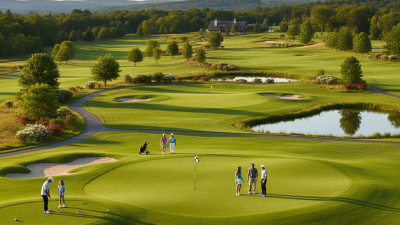
Everything You Need to Know About Playing on a Par 3 Golf Course
Playing on a par 3 golf course presents a unique and enjoyable experience for golfers of all skill levels. These courses, typically characterized by their shorter hole lengths, allow players to focus on their precision and short game techniques. Unlike traditional 18-hole courses that can be lengthy and demanding, a par 3 golf course provides a more relaxed environment, making it perfect for beginners, families, or those looking to improve their skills without the stress of a full-length round.
In this guide, we will explore the essential aspects of playing on a par 3 golf course, including strategies for success, tips for navigating the course layout, and common etiquette to keep in mind. Understanding the nuances of these courses can significantly enhance your golfing experience, whether you’re practicing your swings or enjoying a leisurely game with friends. As you delve into the world of par 3 golf courses, you’ll discover that they offer not only a great opportunity to hone your skills but also a delightful way to connect with the game and fellow golfers.
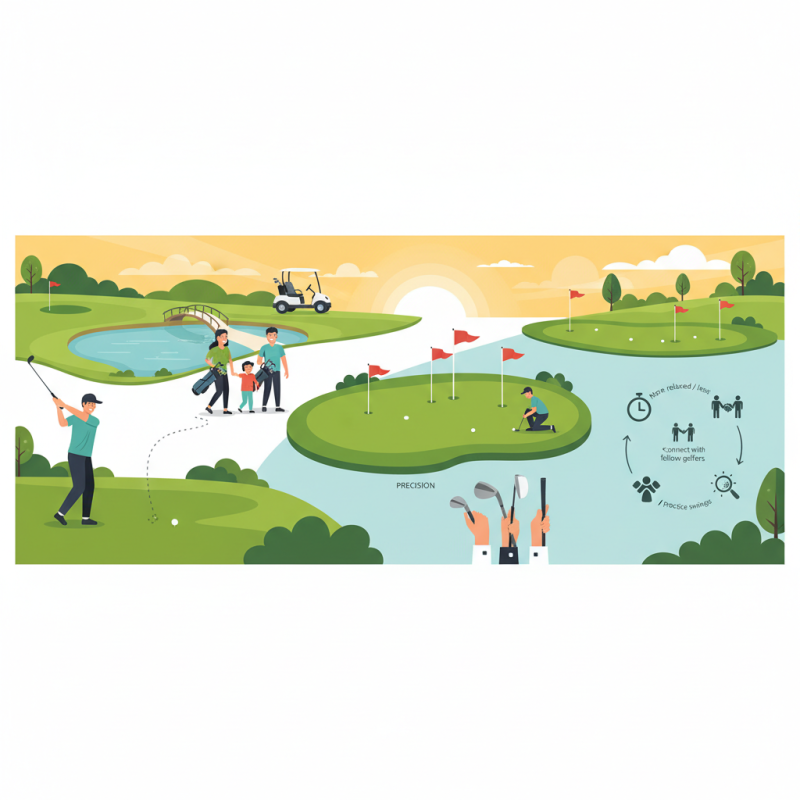
Understanding Par 3 Golf Courses: Definition and Features
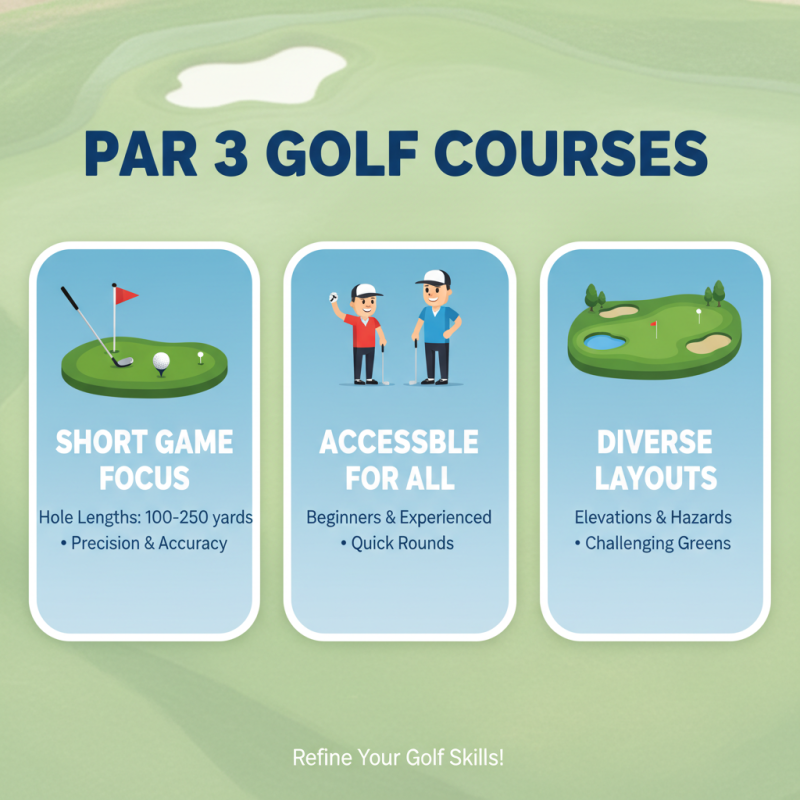
Par 3 golf courses are unique and accessible, designed primarily for players looking to hone their short game skills. These courses typically feature holes that range from 100 to 250 yards, making them ideal for both beginners and experienced golfers seeking to refine their precision. Par 3 courses often offer an array of diverse layouts, including various elevations, water hazards, and challenging greens that require strategic approaches and careful shot selection.
Playing on a Par 3 course can be a delightful and less time-consuming experience than a traditional 18-hole layout. For newcomers, it serves as a great introduction to the game, allowing players to focus on iron play and putting without the pressure of lengthy drives. Regular players can take advantage of the shorter distances to work on their accuracy and improve their overall game.
**Tips for Playing on a Par 3 Course:**
1. **Choose the Right Club:** Always assess the distance to the hole and consider the wind conditions before selecting your club. Standard practice is to take one extra club if the hole is uphill or into the wind.
2. **Practice Your Short Game:** Use the opportunity to practice chipping and putting. Since Par 3 holes are shorter, you can spend more time on the greens, focusing on your touch and feel around the hole.
3. **Stay Relaxed:** Enjoy the pace of play on a Par 3 course. A relaxed mindset can help improve your concentration, which is essential for making precise shots.
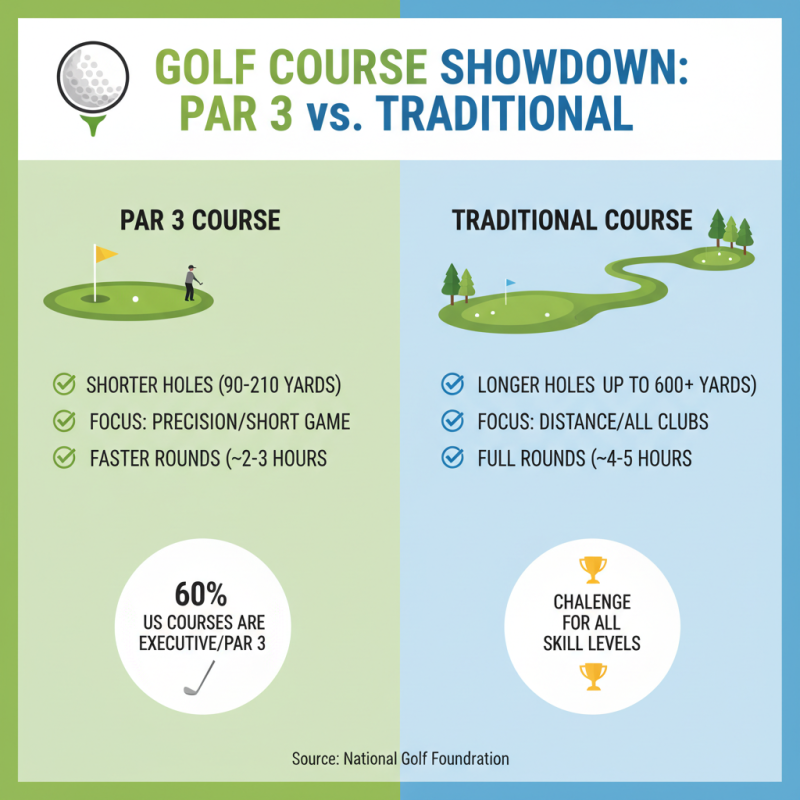
Key Differences Between Par 3 and Traditional Golf Courses
When comparing Par 3 golf courses to traditional courses, several key differences emerge that appeal to different types of golfers. Par 3 courses typically feature shorter holes, usually ranging from 90 to 210 yards, which allows players to focus on precision rather than distance. According to the National Golf Foundation, around 60% of golf courses in the U.S. are considered executive courses, many of which are Par 3. This structure caters to novices who might find full-length courses intimidating and time-consuming, as Par 3 courses can be completed in about half the time.
The distinct design of Par 3 courses not only enhances accessibility but also encourages a different skill set. Players are primarily challenged to refine their short game and putting skills, which are crucial for lowering overall scores. Data from the USGA indicates that almost 40% of strokes taken in a round come from putting. Given the compact nature of Par 3s, golfers also benefit from improved decision-making and shot selection within a shorter format, making these courses an ideal training ground for players of all skill levels. As the popularity of golf continues to rise, Par 3 courses serve as a vital segment of the golfing landscape, fostering engagement and enjoyment across diverse demographics.
Benefits of Playing on Par 3 Courses for Beginners and Experts
Playing on par 3 golf courses offers numerous benefits for both beginners and experts looking to refine their skills. For novices, these shorter courses, typically ranging from 90 to 250 yards, provide an ideal environment to learn the fundamentals of the game without the intimidation of longer holes. According to the National Golf Foundation, the lower overall length of par 3 courses means less time on the course and a more manageable experience, making it an excellent entry point for those new to golf. Additionally, it allows beginners to focus on essential skills like chipping and putting, which are crucial for overall game improvement.
For seasoned players, par 3 courses present a unique opportunity to hone their short game and work on specific skills under pressure. Data from the PGA indicates that around 40% of strokes in a round come from shots within 100 yards of the green, emphasizing the importance of mastering this aspect of golf. Experts can utilize the varied designs of par 3 holes to practice different shot types and distances, enhancing their strategic thinking and creativity on the course. Furthermore, the relaxed atmosphere often found on par 3 courses allows for a more leisurely round, encouraging golfers to experiment with their techniques without the pressures typically associated with a full-length course.
Everything You Need to Know About Playing on a Par 3 Golf Course
| Aspect | Beginners | Experts |
|---|---|---|
| Course Length | Shorter holes, typically 100 to 200 yards | Opportunity to practice precision on shorter holes |
| Time Commitment | Round can be completed in under 2 hours | Quick rounds allow for repeated play and practice |
| Skill Development | Focus on hitting the green and chipping | Enhancement of short game skills is crucial |
| Cost | Generally lower green fees | Affordable rounds for regular practice |
| Accessibility | More welcoming environment for novices | Great for honing skills in a less competitive setting |
Strategic Tips for Success on Par 3 Golf Courses
Playing on a par 3 golf course can significantly enhance a player's short game skills. These courses, typically ranging from 90 to 220 yards in length, require precise shot-making and keen strategy. According to the National Golf Foundation, nearly 50% of all golf courses in the U.S. are par 3, underscoring their accessibility and the importance of mastering this format. Strategic approach becomes essential here, as each hole presents unique challenges that call for careful consideration of club selection and shot placement.
Tips for Success: First, focus on your alignment and setup. Ensure that your feet, hips, and shoulders are parallel to the target line, which can help promote a more accurate shot. Additionally, take the time to read the greens carefully. Understanding the slope and grain can make a big difference, as almost 43% of golfers struggle with putting on tricky greens.
Another critical tip is to practice your distance control. With par 3 holes often involving various elevation changes and wind factors, knowing how to distance your shots can be a game-changer. Professional data indicates that golfers who regularly incorporate short-game practice into their routine see improvements in scoring by up to 20%. This emphasizes the importance of honing these skills on par 3 courses, where every yard counts.
Statistics on Par 3 Course Usage and Popularity in the Golf Community
Par 3 golf courses have gained significant traction in the golfing community, catering to both beginners and seasoned players looking for a different challenge. According to a recent survey from the National Golf Foundation, over 25% of golfers play on par 3 courses at least once a month. This statistic illustrates the growing popularity of shorter courses, which are often seen as more accessible and less time-consuming than traditional 18-hole layouts. Additionally, many municipalities have invested in developing these courses, allowing them to appeal to a broader demographic, including families and younger players.
The surge in interest in par 3 courses can also be attributed to the increasing number of golf facilities that include these shorter holes as part of their offerings. Data from the American Society of Golf Course Architects indicates that nearly 30% of all golf courses in the U.S. now incorporate a par 3 component. This trend highlights the understanding that shorter courses can serve as excellent venues for teaching the fundamentals of the game while offering an enjoyable experience without the typical time commitment of a full round. Together, these statistics underscore the growing acceptance and integration of par 3 courses into the overall landscape of golf, making the game more inclusive and appealing to a diverse audience.
Related Posts
-
The Ultimate Guide to Playing and Enjoying a Par 3 Golf Course
-

Exploring the Art of Golf Course Design and Its Impact on the Game
-

Explore the Ultimate Guide to Navigating Your Local Golf Course Map
-
Discover the Best City Park Golf Courses Near You
-

Unforgettable Moments: Top 10 Golf Course Wedding Venues for Your Dream Day
-
Unveiling the Secrets of Champion Golf Clubs: Elevate Your Game with Expert Insights

Contact Us
Phone: (650) - 522-4653 (GOLF)
Fax: (650) 522-7511
Tee Time Reservations: (650) 522-4653 (GOLF)
Location
1700 Coyote Point Drive
San Mateo, CA 94401