How to Choose the Best Sports Cooler Bags?
Choosing the right Sports Cooler Bags can change a long game day, beach trip, or training session. A weak bag leaks beside your shoes. A strong one keeps sandwiches firm, drinks cold, and gear dry.
YETI co-founder Roy Seiders once described his product philosophy simply: “Build the best cooler possible.” That idea matters here. The best bag is not always the largest or most expensive. It should match your routine, carrying strength, and cooling needs.
This guide examines insulation, fabric, liner quality, capacity, shoulder comfort, and water resistance. It also considers zipper design and cleaning, because small details become frustrating after repeated use. Look for thick foam insulation and a sealed inner lining. Check whether the base stays stable on grass or pavement. A wide opening helps when reaching for fruit, ice packs, or a half-full bottle.
Think about weight, too. An oversized bag may hold more food, but it can become awkward after several hours. Soft handles can feel comfortable at first. They may disappoint under heavy loads. I have found that many buying guides overlook this point.
That is worth questioning.
No cooler bag performs perfectly in every condition. Direct sun, frequent opening, and warm food reduce cooling time. Pre-chilling the bag can help. So can separating drinks from delicate food.
The goal is practical balance. Choose a Sports Cooler Bags option that fits your actual day, not an imagined adventure. A smaller, reliable bag often serves better than a bulky model left at home.
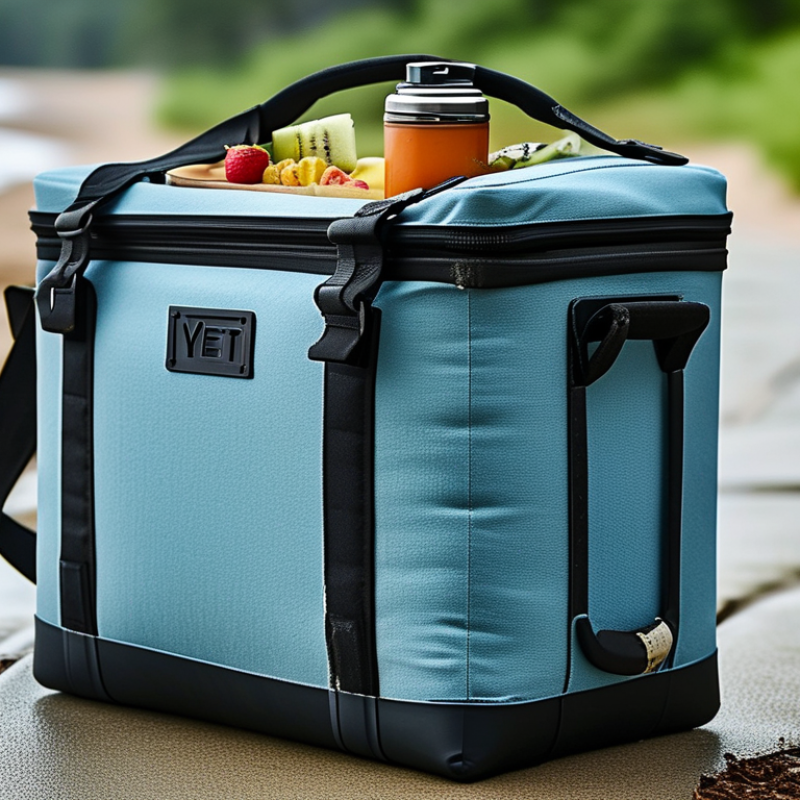
Identify Your Sports Cooler Bag Needs and Usage Scenarios
Choosing the right sports cooler bag starts with your actual routine, not its advertised capacity. A short morning run may need space for water, fruit, and a small towel. A full-day tournament requires more room, stronger insulation, and reliable leak protection. Write down what you carry. Then measure it.
Your travel method also matters. A shoulder strap works well when walking between fields. A backpack design feels steadier during cycling or hiking. For a car trip, a wider bag may be more practical than a tall one. Check the opening before buying. Narrow openings can make packed meals difficult to remove. I once chose a compact bag that looked efficient, but it could not hold two food containers without crushing them.
Think about temperature, cleaning, and access. For several hours outdoors, thick insulation and reusable ice packs help protect chilled food. During intense summer practice, direct sunlight can warm a bag quickly. Place it in shade whenever possible. A water-resistant exterior is useful, but it does not always mean the seams are fully leakproof. Test the zipper and lining at home. After use, wipe the interior promptly and let it dry completely. Some bags are easy to carry yet awkward to clean. That trade-off deserves attention before purchase.

Choose the Right Capacity for Food, Drinks, and Equipment
Choosing a sports cooler bag starts with capacity, not color or extra pockets. Think about what must stay cold. A single athlete may need lunch, two drinks, fruit, and a small ice pack. A team needs much more. Count containers, not just servings. A 12-liter bag can suit one person during a short training session. It may feel cramped after adding thick ice packs. Leave about one-third of the space for cooling material. This helps keep food colder and prevents crushed containers.
Measure equipment separately. A cooler for a picnic may not fit gloves, towels, or recovery gear. Soft bags can expand, but their stated capacity is not always practical. Check the opening width and base shape. A wide interior stores meal boxes better than a tall, narrow design. I once chose a larger bag for a long match. Loose space made bottles roll and leak. Dividers helped, but they also reduced usable room. Capacity choices need honest testing.
Tips: Pack one complete meal before buying. Add every drink, snack, and ice pack. For hot outdoor sessions, choose extra room for ice. For team use, estimate one bottle and meal per person. Keep equipment outside the cold compartment when possible. If the bag looks full at home, it will probably be too small on game day. Oversizing is not always better, either. A half-empty bag can become heavy and awkward to carry.
Compare Insulation Performance, Materials, and Leak Protection
Choosing a sports cooler bag starts with insulation, not appearance. USDA FSIS guidance recommends keeping perishable food at 40°F (4°C) or colder. FDA Food Code 2022 uses 41°F (5°C) as the cold-holding limit. A bag with thick closed-cell foam can slow heat transfer during outdoor training. However, insulation thickness alone is not proof of performance. Look for independent tests showing internal temperature over time.
Material choice affects durability and cleaning. Laminated polyester or nylon usually resists abrasion better than thin fabric. A foil-coated lining can reflect radiant heat, but it cannot replace sufficient insulation. Food-contact surfaces should be smooth, non-absorbent, and easy to wipe. USDA research repeatedly links poor temperature control with unsafe perishable food handling. That detail matters beside a hot field.
Leak protection deserves a hands-on check. Heat-sealed seams generally offer stronger liquid resistance than stitched seams with exposed thread. A wide, reinforced zipper cover can reduce meltwater escape. Test the bag with ice and water before trusting it near electronics or paperwork. I once underestimated zipper gaps; a small opening created a surprisingly large mess. Choose a removable liner only if it seals firmly and dries fully. ASTM-style durability testing can help compare abrasion and seam strength, but laboratory results may not reflect a crowded, repeatedly opened bag. Real use is less tidy.
How to Choose the Best Sports Cooler Bags?
Compare insulation performance, materials, and leak protection.
Evaluate Portability, Storage Features, and Carrying Comfort
Choosing a sports cooler bag starts with movement, not color or advertised capacity. I test it on short walks, crowded parking lots, and uneven grass. A useful bag should stay balanced when filled with ice, bottles, and food containers. Wide shoulder straps reduce pressure, while a padded handle helps during quick transfers. Look for reinforced stitching and smooth, dependable zippers. These details matter when the bag is opened repeatedly beside a playing field. My first cooler was too bulky for cycling, even though its insulation performed well. That mistake changed how I judge portability.
Measure storage using real objects, not litres alone. A bag may claim generous capacity but waste space around a narrow opening. Check whether it fits a tall bottle, two lunch boxes, ice packs, and a small towel. Separate pockets can protect keys and phones from condensation. External mesh is convenient for a whistle or folded schedule, but it should not carry heavy items. The interior lining should wipe clean easily and resist leaks. I prefer a wide top opening because it makes packing faster. Still, I sometimes choose extra pockets and create unnecessary clutter.
Carrying comfort becomes clearer after thirty minutes, not three. Adjust the strap while walking, then check whether the cooler swings against your hip. Backpack-style straps can help on longer routes, but they may feel excessive for short games. A firm base prevents tipping on benches or car floors. Ventilation is useful against a damp back. Before buying, load the bag to its expected weight and lift it with one hand. If the handle cuts into your fingers, daily use will become irritating. The best fit is the one you can carry naturally, even when your attention is on the match.
Check Durability, Easy Cleaning, and Overall Value
The best sports cooler bag should survive real training days, not only showroom handling. Check reinforced seams, dense fabric, strong handles, and a zipper that closes smoothly. A weak seam can fail when bottles, ice, and wet towels fill the bag. Look for insulation that keeps its shape after repeated folding.
Easy cleaning matters just as much. Choose a wide opening, a removable liner, and a drainable interior. After practice, wipe spilled juice immediately and dry the bag fully. USDA FoodKeeper guidance recommends keeping perishable food at 40°F or below, using ice or frozen gel packs. A cooler that traps moisture may support unpleasant odors and contamination. This detail is easy to overlook. I have made that mistake.
Overall value means more than the lowest price. Compare usable capacity, insulation performance, repair options, and cost per outing. The Outdoor Industry Association’s 2024 Participation Trends Report counted 175.8 million U.S. outdoor participants in 2023. Frequent use makes durability financially important. A bag costing more may offer better value if it lasts several seasons. Still, advertised ice-retention times need careful testing. Sunlight, opening frequency, and empty space change results. Measure performance during your actual match days, not ideal laboratory conditions.
How to Choose the Best Sports Cooler Bags? - Check Durability, Easy Cleaning, and Overall Value
| Cooler Bag Type | Typical Capacity | Common Construction | Durability | Cleaning Convenience | Portability | Typical Value | Best Use |
|---|---|---|---|---|---|---|---|
| Compact Soft Cooler | 6–12 L | Polyester or nylon exterior, foam insulation, wipe-clean liner | Good for regular light use; seams and zippers may wear faster under heavy loading | Usually easy to wipe; a wide opening improves access and drying | Excellent; lightweight and easy to carry | High for daily snacks and drinks | Short workouts, picnics, school sports, and personal meals |
| Insulated Cooler Backpack | 12–24 L | Padded shoulder straps, insulated body, coated or PEVA-lined interior | Very good when reinforced at the base and shoulder-strap attachment points | Good if the liner is smooth, sealed, and accessible from a wide top opening | Excellent for hands-free transport | Very high for active travel and group outings | Hiking, cycling, tournaments, commuting, and outdoor training |
| Large Soft-Sided Cooler | 24–45 L | Heavy-duty fabric, thick foam insulation, sealed or welded liner | Very good; reinforced handles and a protected bottom are important | Moderate; large liners can be harder to reach, rinse, and dry completely | Fair; heavy when fully loaded and often needs two people | High for serving several people | Team events, beach days, camping, and extended outdoor activities |
| Soft Cooler with Removable Liner | 15–30 L | Fabric shell with removable waterproof liner or insert | Good to very good; the outer shell needs protection from abrasion and moisture | Excellent; the liner can usually be removed, washed, and dried separately | Good; easier to store when the liner or frame is flexible | Very high for users who prioritize hygiene | Frequent sports use, meal preparation, and shared refreshments |
| Structured Soft Cooler | 20–40 L | Rigid panels, thick insulation, reinforced base, heavy-duty zipper | Excellent; maintains shape and resists compression during transport | Good when the interior has rounded corners and a sealed liner | Fair to good; more protective but less compact when empty | Good for frequent, demanding use | Long tournaments, vehicle travel, and repeated outdoor use |
| Wheeled Soft Cooler | 30–60 L | Insulated soft body, telescoping handle, wheels, reinforced base | Very good on smooth surfaces; wheels and handle are key wear points | Moderate; the base and wheel area require extra cleaning after outdoor use | Good on pavement; less convenient on sand, gravel, or stairs | High for large loads and short-distance transport | Large tournaments, tailgating, parks, and family events |
Article Source:
Contact Us
Phone: (650) - 522-4653 (GOLF)
Fax: (650) 522-7511
Tee Time Reservations: (650) 522-4653 (GOLF)
Location
1700 Coyote Point Drive
San Mateo, CA 94401