(650) 522-4653

How to Choose the Best Golf Course Wedding Venues

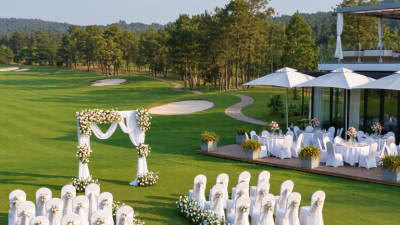
Choosing among golf course wedding venues is not simply a search for beautiful scenery. It is a practical decision about access, service, weather, budget, and guest comfort. Fairways may look peaceful in photographs, yet a distant ceremony lawn can create difficult walks for older guests. A polished ballroom may impress guests, but hidden service charges can reshape the final budget.

The Knot’s 2023 Real Weddings Study reported an average U.S. wedding cost of $35,000, with the venue and catering category averaging $12,800. This figure shows why careful venue comparison matters. It is not a universal price. Location, guest count, season, menu style, and included rentals can change the total considerably. Couples should request an itemized proposal, including service fees, taxes, ceremony charges, vendor rules, and overtime rates.

Look closely during the site visit. Notice the distance between the parking area and ceremony space. Ask where guests wait during rain. Stand inside the reception room and listen for echoes. Check whether golf carts are available for mobility support, and confirm how course activity affects privacy. Experienced planners also recommend reviewing backup plans, power access, restroom capacity, and lighting after sunset.

The National Golf Foundation’s industry reporting highlights the scale and diversity of golf facilities across the United States. However, a recognized club is not automatically a strong wedding venue. Reputation helps, but recent wedding reviews and direct conversations reveal more. Ask former clients or your planner for honest feedback. There is no perfect venue. The right choice balances atmosphere with dependable execution, even when one attractive detail must be sacrificed.
How to Choose the Best Golf Course Wedding Venues

Define Your Wedding Vision and Course Requirements

Before touring golf course wedding venues, define the feeling you want guests to remember. Do you imagine a relaxed outdoor ceremony, an elegant dinner, or a lively reception near the clubhouse? Write down your priorities. Your vision should guide every venue decision.

Consider practical course requirements with equal care. Ask about ceremony space, guest capacity, weather backup, parking, accessibility, and sound restrictions. Check whether the reception area can handle dining tables, dancing, and photography equipment. A scenic fairway may look perfect, but limited shade can make a summer ceremony uncomfortable. Confirm the walking distance between locations, especially for older guests. Small details matter.

I once underestimated how quickly a beautiful setting could become difficult during a tight event schedule. Build realistic travel time into your timeline. Ask experienced venue coordinators about rain plans, setup access, meal service, and cleanup responsibilities. Request clear pricing and written policies before making a decision. Some requirements may change after you see the property in person. That is normal. A useful site visit should challenge your assumptions, not simply confirm them.

Compare Course Features, Scenery, and Guest Accessibility

Choosing a golf course wedding venue requires more than admiring the fairways.

Compare the ceremony lawn, reception space, and indoor backup area. Ask how the venue handles rain, strong winds, and sudden temperature changes. A reliable coordinator should explain the plan clearly.

Check sound quality near water features and large open spaces. Guests should hear every vow.

Scenery matters, but it must support the celebration.

Look for mature trees, open greens, and attractive sunset views. Walk the exact route between the ceremony, dining area, and restrooms. Long distances can feel tiring, especially in formal clothing.

Confirm whether golf carts are available for older guests or anyone with limited mobility.

Some paths look smooth but become difficult after rain.

Guest accessibility deserves careful attention. Review parking spaces, shuttle routes, lighting, restroom access, and seating options before booking.

Ask whether the venue has step-free entrances and firm walking surfaces.

During one venue visit, the view was excellent, but the narrow path created a real concern. That detail changed the evaluation. Beautiful scenery cannot replace practical comfort.

Also compare noise levels, nearby traffic, and course activity during your preferred wedding hours. A quiet afternoon may not remain quiet on a busy weekend.

Evaluate Packages, Pricing, and Included Wedding Services

Choosing a golf course wedding venue requires more than admiring its fairways and clubhouse. Packages often appear affordable until service fees, ceremony setup, rentals, and overtime charges appear. The Knot’s 2023 Real Weddings Study reported an average U.S. wedding cost of $35,000, with couples hosting about 115 guests. Use that figure as a planning reference, not a promise. Regional prices vary sharply.

Request an itemized proposal before touring the grounds. Check whether the package includes tables, chairs, linens, china, glassware, lighting, staffing, and cake cutting. Ask about ceremony seating, rain plans, parking, and accessibility. A beautiful outdoor arch may still require a separate delivery fee. It sounds minor. It rarely is.

Compare menus carefully. Confirm whether service includes a tasting, bartenders, nonalcoholic drinks, and late-night food. The Knot’s 2024 Real Weddings Study noted that couples increasingly prioritize guest experience, making food and hospitality important budget categories. Also inspect payment schedules, cancellation terms, minimum guest counts, and gratuity policies. I have learned that “included” can mean limited quantities or restricted hours. Leave room for mistakes; wedding timelines often shift, and golf-course operations may affect access. A package that costs slightly more may provide a dedicated coordinator and smoother transitions between ceremony, photos, and dinner.

Review Venue Policies, Seasonal Conditions, and Availability

A golf course can look perfect in photographs, yet its policies may shape your wedding more than the scenery. Ask when guests may arrive, where ceremonies can take place, and whether carts share nearby paths. Confirm restrictions on music, candles, decorations, outside caterers, and photography. Request every answer in writing, including payment dates, cancellation terms, weather changes, and cleanup duties. A polite conversation is useful, but a clear contract is more reliable.

Seasonal conditions deserve practical attention. Spring may bring soft ground, sudden rain, and muddy paths near the fairways. Summer ceremonies can feel harsh at 3 p.m., especially for older guests. Autumn offers cooler air, but earlier sunsets may shorten your portrait schedule. Ask about shade, indoor access, insects, irrigation times, and backup spaces. Visit at the planned hour if possible. The light may be beautiful, but the wind can be surprisingly loud.

Availability involves more than finding an open Saturday. Check tournament schedules, maintenance closures, holiday demand, and nearby event noise. Some venues reserve the course for players, limiting ceremony movement or guest access. Ask how many weddings occur that day and who manages the timeline. One mistake is trusting a verbal promise about a rain plan. Another is assuming a backup room will feel comfortable for every guest. Walk through that space with your planner, test the sound, and notice the distance to restrooms. Small details often reveal the venue’s real level of preparation.

Inspect the Setting and Confirm Details Before Booking

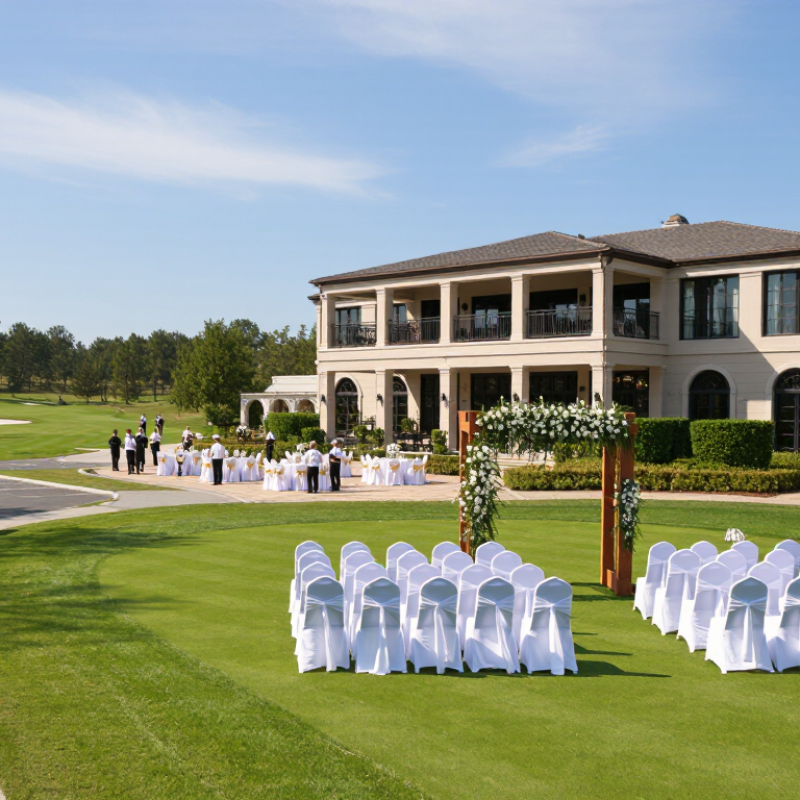
A beautiful golf course can look perfect in photographs, yet feel different in person. Visit the setting at the same time as your planned ceremony. Notice the sun’s position, wind direction, nearby roads, and maintenance noise. Walk from the ceremony area to the reception space. A ten-minute route may feel long for elderly guests or anyone using a wheelchair.

Inspect the ground carefully. Uneven paths, wet grass, and steep slopes can affect seating and photographs. Ask where guests will park, whether shuttle transport is available, and how staff will manage rain. Confirm the indoor backup space, its capacity, and the exact changeover time. Do not rely on verbal promises. Request written details about catering, decoration limits, music volume, cleanup, deposits, cancellation terms, and overtime charges. Policies can vary more than expected.

Tips: Bring a measuring tape and take timestamped photos during the visit. Ask who will supervise the event on your wedding day. Confirm power access for sound equipment, restroom locations, lighting, and accessibility routes. Taste the proposed menu if possible, but remember that food quality may change with staffing or season. I once underestimated evening temperatures at an open venue; that small oversight affected guest comfort. A second visit would have helped. Check the details twice.

How to Choose the Best Golf Course Wedding Venues - Inspect the Setting and Confirm Details Before Booking

Inspection Dimension Practical Benchmark What to Inspect or Ask Why It Matters Booking Record
Guest Capacity Seat the planned guest count with comfortable table spacing and unobstructed circulation. Request the maximum seated capacity for the ceremony, cocktail reception, dinner, and dance floor separately. A room that fits guests but leaves no space for service, entertainment, or accessibility can feel crowded. Record the confirmed capacity for each event layout.
Ceremony Setting A defined ceremony area with a clear aisle, guest seating, and a reliable backup location. Check sightlines, ground stability, shade, sound levels, and the distance between ceremony and reception spaces. The ceremony is highly visible in photographs and is affected by weather, noise, and uneven terrain. Attach the ceremony layout and weather contingency plan.
Weather Backup A specific indoor or covered alternative that accommodates the same essential activities. Ask when the decision is made, who makes it, and whether the backup space is reserved exclusively for the wedding. A vague rain plan can create last-minute layout, décor, and guest-communication problems. Write the trigger time, decision-maker, and backup location into the contract.
Photography Locations Several accessible photo areas with attractive backgrounds and suitable light during the event schedule. Walk the grounds at the planned season and approximate ceremony time; note shade, glare, privacy, and travel time. The setting influences portraits, group photos, and the amount of time guests spend moving between locations. List approved photo areas and any access restrictions.
Accessibility Step-free or suitably accessible routes to parking, ceremony, reception, restrooms, and key photo areas. Inspect ramps, lifts, path surfaces, restroom access, seating options, and transportation for guests with limited mobility. Accessibility should be practical across the entire guest journey, not limited to the main building entrance. Document accessible routes and any assistance arrangements.
Parking and Transportation Adequate parking or a clearly managed shuttle, taxi, rideshare, or drop-off plan. Confirm parking capacity, walking distance, lighting, overnight arrangements, shuttle timing, and designated drop-off points. Transportation affects punctuality, safety, and the guest experience before and after the reception. Record transport responsibilities, costs, and operating hours.
Noise and Privacy Wedding areas are separated from active play, maintenance work, public dining, and other scheduled events. Ask about tee times, tournaments, maintenance schedules, neighboring events, and permitted music volume. Uncontrolled background noise can interrupt vows, speeches, recordings, and conversation. Confirm event separation and sound restrictions in writing.
Catering and Bar Service A clearly defined food service model, menu, dietary process, bar package, and service timeline. Confirm tasting arrangements, outside-catering rules, corkage, meal substitutions, late-night food, and last-call time. Catering policies often create additional costs or limit menu flexibility if they are not reviewed early. Attach the selected menu, beverage package, and service fees.
Vendor Policies Written rules for photographers, decorators, entertainment, rentals, planners, and delivery access. Ask whether preferred vendors are required, whether outside vendors pay fees, and when vendors may load in or strike. Restrictions can affect the budget, décor design, timeline, and supplier availability. Keep the current vendor list and fee schedule with the agreement.
Lighting and Power Adequate lighting for paths, entrances, dining, restrooms, and safe movement after dark. Visit after sunset or request a nighttime walkthrough; confirm outlet locations and restrictions on generators or candles. Outdoor venues can look different at night, and insufficient power may limit sound or lighting equipment. Note lighting responsibilities, power access, and approved equipment.
Restrooms and Guest Facilities Clean, convenient restrooms with sufficient access for the expected guest count and event duration. Check location, cleanliness, lighting, handwashing supplies, baby-changing provisions, and accessible facilities. Facilities that are distant or difficult to reach are especially inconvenient for older guests and families. Confirm cleaning coverage and facility access hours.
Contract and Total Cost The written agreement identifies inclusions, taxes, service charges, deposits, payment dates, cancellation terms, and overtime rates. Compare the proposal with the contract and ask about setup, cleanup, ceremony, minimum-spend, rental, security, and damage fees. The lowest advertised package may not represent the final cost after mandatory services and add-ons. Approve the venue only after all material terms are written and understood.

Contact Us

Phone: (650) - 522-4653 (GOLF)

Fax: (650) 522-7511

Tee Time Reservations: (650) 522-4653 (GOLF)

Location

1700 Coyote Point Drive

San Mateo, CA 94401