How to Choose the Best Fitness Spin Bike?
Choosing the right Fitness Spin Bike is more complicated than comparing prices and resistance levels. A bike may look impressive online, yet feel unstable after ten minutes of hard riding. The best choice depends on your goals, body measurements, training space, and riding habits. Indoor cycling beginners may need a simple console and comfortable adjustments. Experienced riders may value a heavy flywheel, responsive resistance, and accurate performance tracking.
A reliable evaluation starts with real contact points. Check whether the saddle moves smoothly and supports your preferred posture. Test the handlebars at several heights. Your knees should remain slightly bent at the lowest pedal position. Small alignment problems can become painful during repeated sessions. That mistake matters.
This guide examines frame stability, drive systems, resistance types, connectivity, noise, maintenance, and warranty support. It also considers details that product pages often overlook, such as pedal compatibility and emergency stopping systems. Expert specifications are useful, but practical testing remains essential. A quiet belt drive may suit an apartment, while a stronger frame may better serve daily interval training. Neither option is automatically superior.
I have learned that comfort can influence consistency more than advanced features. A screen cannot fix an unsuitable riding position. A powerful bike cannot compensate for poor setup. Readers should compare verified measurements, user feedback, and manufacturer information before purchasing. Needs change over time, too. The ideal Fitness Spin Bike should support safe progress, realistic training, and regular use without creating unnecessary expense.
Understanding Spin Bike Types and Their Intended Uses
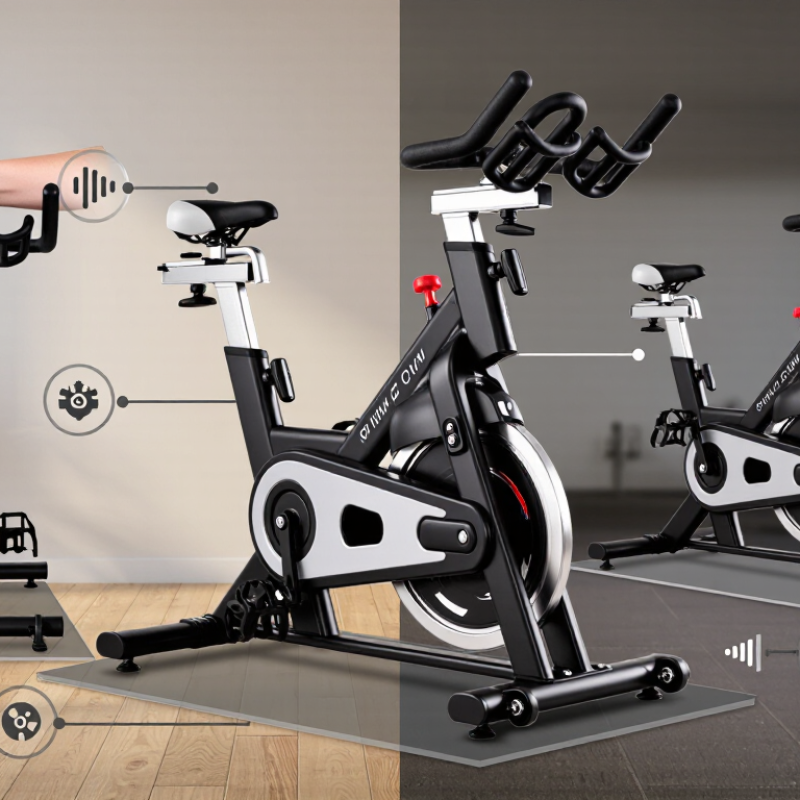
Choosing a spin bike starts with its intended use, not its screen or flywheel weight. A studio-style bike suits interval training, standing climbs, and frequent indoor classes. Its forward-leaning posture resembles a road bicycle. You can shift your hips and pull against the handlebars during hard efforts. That position may feel demanding on your wrists or lower back. I learned this after choosing an aggressive setup for short rides. It was fast, but not comfortable for recovery sessions.
An upright bike keeps the rider more vertical and often feels friendlier for casual cardio. Choose it for steady rides, moderate intervals, or shared household use. A recumbent bike places the pedals forward and supports the back with a broad seat. It works well for gentle endurance work, older users, or riders managing balance concerns. It is less suitable for traditional out-of-saddle spin drills. Some models use friction resistance, while others use magnetic resistance. Friction is simple and responsive, but the pad can wear. Magnetic systems are quieter and usually offer smoother adjustments. Neither type guarantees a better workout.
Match the bike to your actual week. For daily training, check frame stability, adjustment range, and service access. Measure your inseam before ordering; a seat that sits too high can strain your knees. A qualified fitter can check your position more accurately. Test the lowest resistance and one hard interval. Your knees should track forward, not wobble outward. I would also question huge display promises. A reliable cadence sensor and secure pedals matter more during a sweaty morning ride. My own mistake was ignoring noise at home. The bike performed well, but downstairs neighbors noticed every session.

Identifying Key Features for Comfort, Stability, and Performance
How to Choose the Best Fitness Spin Bike?
Identifying Key Features for Comfort, Stability, and Performance
Comfort begins with fit, not padding alone. Sit on the saddle and check whether your knees remain slightly bent at the lowest pedal position. The handlebars should support an upright posture without forcing your shoulders forward. Adjustable height and reach matter because bodies differ. I once underestimated saddle shape during a long ride, and numbness appeared before fatigue. That experience changed how I evaluate indoor bikes.
Stability affects both safety and performance. A wide, level base should stay firm during fast intervals. Test the bike on a hard floor, then gently shift your weight from side to side. Excessive movement suggests weak construction or poor adjustment. Look for secure pedal straps, smooth resistance changes, and a flywheel that does not jerk during acceleration. Magnetic resistance is often quieter, but the mechanism and maintenance quality still deserve attention. A heavier frame may feel stable, yet it can be difficult to move in a small room.
Tips: Adjust the bike before judging it. Record your saddle height. Ride for ten minutes at different intensities. Listen for clicking sounds. Check every adjustment knob by hand. If your wrists hurt, reduce handlebar reach. If your hips rock, lower the saddle slightly. I would also leave room for doubt: product specifications cannot replace a real test ride, and comfort can change after several weeks.
Matching Resistance Systems and Drive Mechanisms to Your Goals
Choosing a spin bike starts with its resistance system, not the flywheel’s advertised weight. Magnetic resistance uses magnets and usually feels smooth, quiet, and consistent. It suits apartment training, steady endurance rides, and structured intervals. Friction resistance uses a pad against the wheel. It can deliver a familiar road-like feel, but pads wear and need adjustment. Test the smallest resistance changes. Precise control matters during short efforts.
The drive mechanism changes how each pedal stroke feels. A belt drive is quiet and usually needs less routine maintenance. A chain drive can feel more mechanical and may tolerate heavy use, but it needs lubrication and tension checks. I once preferred a chain because it felt authentic. After several early-morning sessions, the noise changed my mind. Experience can challenge specifications. Noise matters.
Match the system to your actual habit. Choose magnetic resistance and a belt drive for quiet home sessions and repeatable workouts. Consider friction resistance when manual adjustment and lower initial cost matter more than silence. A chain may suit riders who enjoy a rugged, connected feel and accept maintenance. Check the adjustment range, emergency stop, and pedal stability in person. Some bikes look impressive but feel vague at low resistance. That detail can spoil recovery rides. Ask how parts are serviced. A clear answer suggests dependable design.
Evaluating Adjustability, Safety, Technology, and Maintenance Needs
How to Choose the Best Fitness Spin Bike?
Evaluating Adjustability, Safety, Technology, and Maintenance Needs
A suitable spin bike should fit your body before it impresses you with features. During a home equipment check, I measure saddle height, handlebar reach, and knee position. Your knee should remain slightly bent at the lowest pedal point. A saddle that sits too high can strain your hips. A cramped reach may cause rounded shoulders and wrist pressure. Look for numbered adjustment marks. They make repeated workouts more consistent.
Safety depends on stability and control. Test the frame by standing on the pedals briefly. It should not wobble or slide. A wide base helps on smooth floors. Check the emergency stopping system before increasing resistance. Pedal straps should hold firmly without cutting into your shoes. Small details matter. I once overlooked a loose adjustment knob during testing. That mistake reminded me to inspect every contact point, not just the display.
Technology should support training, not distract from it. Clear resistance levels, readable cadence data, and heart-rate compatibility can improve pacing. Wireless features are useful, but they should not replace basic controls. Choose simple buttons you can operate while sweating. Maintenance needs are easy to underestimate. Wipe moisture from the frame after each ride. Inspect pedals, bolts, and the drive area weekly. Listen for new clicking sounds. A maintenance schedule may feel excessive at first, yet neglected noise often signals a larger repair.
Comparing Budget, Space Requirements, and Long-Term Value
How to Choose the Best Fitness Spin Bike?
The best spin bike depends on your budget, available space, and training habits. A sensible budget includes more than the purchase price. Add delivery, a floor mat, basic maintenance, and possible replacement parts. Cheaper models can work well for light cycling. However, frequent riders may notice loose pedals, noisy resistance, or uncomfortable seats sooner. Check the frame warranty and parts availability before choosing. Those details often reveal the product’s long-term value.
Measure twice. A compact room still needs usable clearance. Leave enough space to mount safely, adjust the handlebars, and dismount without hitting furniture. A bike may fit a corner, yet its handlebar movement can block a doorway. Record the bike’s footprint, then add space around it. Folding designs save room, but their hinges may require more care. That trade-off is easy to overlook.
For regular training, prioritize a stable frame, smooth resistance, adjustable contact points, and a comfortable riding position. These features support consistency better than decorative screens or excessive programs. A durable bike can cost more initially, but fewer repairs may reduce ownership costs over several years. Still, expensive does not automatically mean better. My practical bias favors simple construction and accessible parts, although that choice may sacrifice entertainment features. Consider how often you will ride, where the bike will stay, and whether you will maintain it. A neglected premium bike can become an expensive clothes rack.
Article Source:
Contact Us
Phone: (650) - 522-4653 (GOLF)
Fax: (650) 522-7511
Tee Time Reservations: (650) 522-4653 (GOLF)
Location
1700 Coyote Point Drive
San Mateo, CA 94401