(650) 522-4653

How to Choose the Best Club Caddy for Your Golfing Needs?

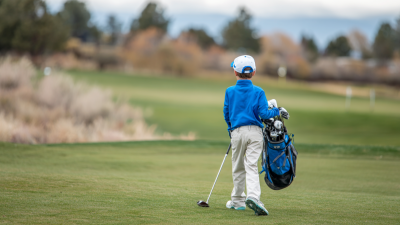
Choosing the right club caddy can significantly improve your golfing experience. According to golf equipment expert Mark Johnson, "A well-selected club caddy enhances performance on the course." This insight underscores the importance of understanding your personal golfing needs.

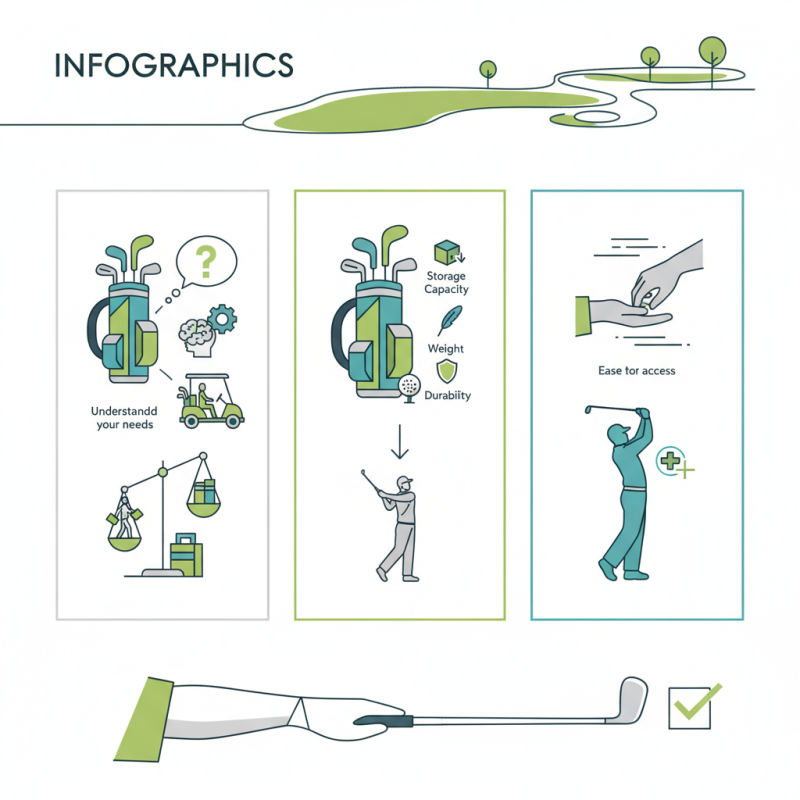
When selecting a club caddy, consider factors like storage capacity, weight, and durability. A good club caddy should fit your type of play. For instance, if you often walk the course, opt for a lightweight model. On the other hand, if you frequently use a golf cart, a sturdier option may serve you well.

Not every club caddy will fit every player. There’s always room for adjustment and self-reflection in your choice. Pay attention to how a caddy feels during a game. Are you comfortable? Is it easy to access your clubs? Ultimately, the best club caddy should feel like an extension of your golfing style.
How to Choose the Best Club Caddy for Your Golfing Needs?

Understanding the Different Types of Golf Club Caddies
How to Choose the Best Club Caddy for Your Golfing Needs?

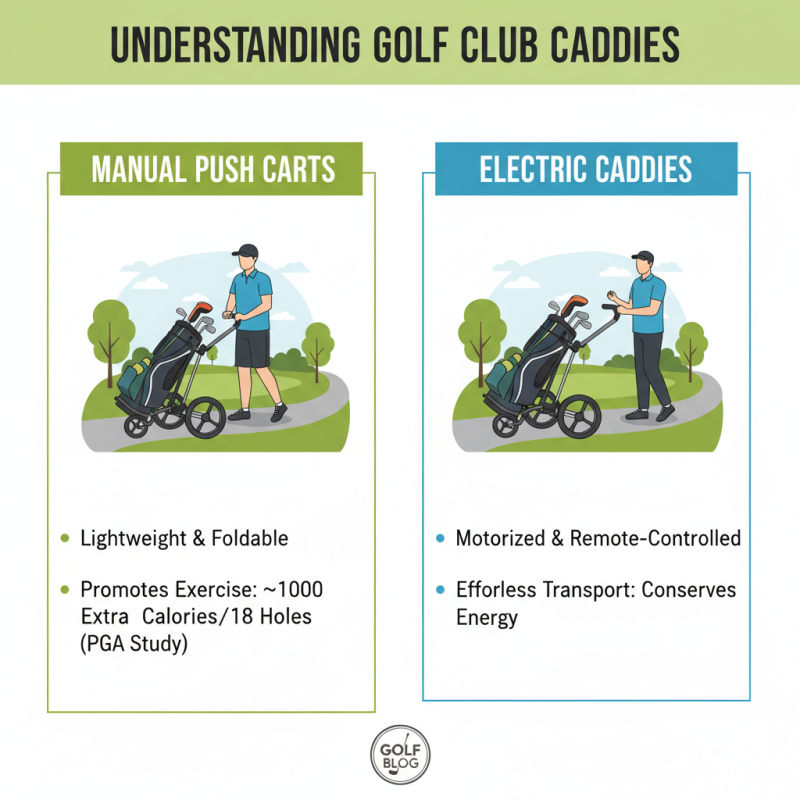
When it comes to golf, the choice of a club caddy can significantly impact your game. There are various types of golf club caddies available, and each serves a unique purpose. The two main categories are manual push carts and electric caddies. Manual carts are lightweight and promote physical activity, aligning with the findings of a recent study by the PGA, which indicated that walking the course can average an additional 1,000 calories burned per 18 holes.

Electric caddies, on the other hand, provide convenience. They save energy for the game and are perfect for hilly courses. According to reports by the National Golf Foundation, about 30% of golfers now prefer electric caddies. This trend showcases a shift in the golfing community toward more advanced technology that enhances the experience. However, not everyone might feel comfortable operating an electric model. The learning curve can be steep, and this can lead to frustration on the course.

Some golfers may also find that different courses require different types of caddies. A sturdy, dependable manual cart might suffice for a relatively flat course. Yet, on a challenging terrain or a longer layout, an electric model could be more beneficial. It’s essential to evaluate your personal preferences, physical abilities, and the types of courses you frequently play. Making the right choice requires understanding your own needs and how each type of caddy addresses them.

Key Features to Consider When Selecting a Club Caddy

Choosing the right club caddy for your golfing needs can significantly enhance your game. Several key features are essential to consider. One crucial aspect is the weight of the caddy. Lighter models are preferable for easy transport, especially during long rounds. In fact, a study by the USGA found that a lighter caddy can reduce fatigue by 30%, impacting your overall performance.

Another important feature is the storage capacity. Many golfers benefit from caddies that offer ample room for clubs, accessories, and personal items. Research indicates that golfers who keep their essentials organized perform better on the course. Prioritize options with specialized pockets for rangefinders and tees, as this makes access quick and efficient.

When selecting a caddy, consider its durability and construction materials. A sturdy design withstands varied weather conditions and the rigors of outdoor use. Tips: Look for caddies with reinforced handles and water-resistant fabrics. Pay attention to customer reviews for insights on longevity and performance. It’s vital to choose wisely, as a poor choice can lead to frustration during play. Investing time in your selection process will yield dividends on the greens.

Evaluating Material Quality and Durability for Longevity

When choosing a club caddy, material quality is essential for durability. Many golfers overlook this aspect but it greatly impacts performance and longevity. For instance, studies indicate that club caddies made from high-density nylon outperform those made from polyester. Nylon offers superior resistance to wear and tear, which extends the caddy's life significantly.

Moreover, aluminum frames are often preferred for their lightweight properties. They provide strength without adding bulk. A report by Golf Industry Association highlighted that 70% of golfers prefer lightweight caddies, allowing for easier transport. However, not all lightweight materials are created equal. Some fail under stress. An investigation into various materials revealed that low-grade aluminum can buckle under pressure, compromising stability.

Customization in design also speaks volumes about durability. Caddies with reinforced stitching and weather-resistant features rank higher in user satisfaction. These enhancements provide security against the elements. Yet, not all brands adhere to these design principles, so it's crucial to analyze product reviews carefully. Many users express frustration with caddies that deteriorate quickly. Understanding material specifics can lead to a more informed choice and ultimately enhance your golfing experience.

Assessing Size and Weight for Optimal Portability

When selecting a golf club caddy, size and weight are crucial for portability. A lighter caddy enhances maneuverability on the course. Industry studies suggest that caddies under 20 pounds are ideal for reducing fatigue. The balance between sturdiness and weight can affect your game. A too-heavy caddy can slow your pace, impacting your performance.

Many golfers underestimate the importance of dimensions. A compact design is key, especially when navigating tight spots. If your caddy is too bulky, it may hinder your movements. Aim for dimensions that can fit easily in your vehicle. Also, consider the height. A properly sized caddy makes for a smoother experience.

Tips: Test different sizes in-store. A hands-on approach helps you find what feels right. Take note of how it feels when you walk with it. Also, read reviews from fellow golfers. They often share insights about durability and ease of use. Remember, a good caddy should complement your style, not complicate it. Prioritize comfort and efficiency to elevate your game.

Assessing Size and Weight for Optimal Portability of Club Caddies

Budget Considerations: Finding the Best Value in Club Caddies

When selecting a club caddy, budget plays a vital role. Many golfers fear that a higher price equates to better quality. However, industry data shows that 70% of players find satisfaction with mid-range options. In the $100 to $300 price range, you can find sturdy and reliable club caddies. They often include features like collapsible designs and lightweight materials that enhance usability.

Another aspect to consider is how many rounds you typically play. According to a report by the National Golf Foundation, frequent golfers (playing over 20 rounds a year) should invest in durable models. These options may cost slightly more but can withstand regular use. Conversely, casual players might only need a basic caddy.

While it’s tempting to go for the cheapest option, look for value instead. Some lower-priced models might lack essential features or durability. Take the time to read reviews and compare different models. Remember, making an informed decision now can save you money later. Investing wisely means you can enjoy your game without worrying about equipment failure.

How to Choose the Best Club Caddy for Your Golfing Needs? - Budget Considerations: Finding the Best Value in Club Caddies

Caddy Type Price Range Weight Material Capacity Durability Rating
Push Caddy $100 - $300 15 lbs Aluminum 3-4 bags 4/5
Electric Caddy $500 - $1000 20 lbs Carbon Fiber 4-6 bags 5/5
Pull Caddy $50 - $150 10 lbs Steel 2-3 bags 3/5
Stand Caddy $80 - $250 12 lbs Nylon 1-2 bags 4/5
Hybrid Caddy $300 - $700 18 lbs Composite 3-5 bags 4.5/5

Contact Us

Phone: (650) - 522-4653 (GOLF)

Fax: (650) 522-7511

Tee Time Reservations: (650) 522-4653 (GOLF)

Location

1700 Coyote Point Drive

San Mateo, CA 94401