How to Choose the Right Golf Club for Your Game?
Choosing the right golf club can significantly affect your game. According to the National Golf Foundation, about 25 million people in the U.S. play golf. But many struggle to find clubs that suit their style. “The right golf club can make all the difference,” says Mark Sweeney, a renowned golf club fitting expert.
Understanding your skill level, swing speed, and playing style is crucial. Many players often overlook the importance of proper club selection. With a plethora of options available, it can feel overwhelming. For instance, a driver may work well for one player, while another might excel with a hybrid.
Moreover, casual golfers may not realize that lightweight clubs can improve their performance. Statistics show that custom-fitted clubs can enhance distance by 15 yards on average. Yet, many players still use off-the-shelf options. This indicates a common reflection point: are you truly maximizing your potential on the course? Selecting the right golf club involves more than just picking a brand; it requires thoughtful consideration of personal needs and game strategy.

Understanding Different Types of Golf Clubs and Their Uses
Choosing the right golf club can feel overwhelming. There are various types, and each serves a different purpose. For beginners, understanding these differences is crucial.
Irons, for example, are versatile clubs great for a range of shots. They can help you with accuracy on the fairway.
Woods, on the other hand, are designed for distance. They can deliver powerful shots off the tee. However, they are harder to control for some players.
Drivers are the longest clubs, meant for maximum distance. They require practice to master.
Putters are also important but often underestimated. They are essential for precision on the green. Many golfers ignore this club, yet it can make or break a game.
Remember, the best club depends on the situation and your skill level. Experimenting and reflecting on your performance can guide you toward your personal preferences.
Assessing Your Skill Level and Playing Style for Club Selection
Choosing the right golf club begins with understanding your skill level. Beginners often struggle with consistency. A 2021 study revealed that novice golfers hit only 50% of their shots accurately. They need forgiving clubs that enhance their confidence. Mid-level players may focus on versatility. They often seek a balance between distance and accuracy. This is key for improving their game.
Playing style also plays a crucial role. Some players prefer a slow, steady tempo. They benefit from clubs designed for control. Others have a more aggressive swing. These golfers need clubs that maximize distance. A 2022 survey indicated that 40% of golfers chose clubs based on their unique swing characteristics.
Reflecting on your personal game is vital. What are your strengths? What areas need improvement? Aspects like grip and club weight affect performance. Many golfers hesitate to try different clubs, fearing drastic changes. Yet, experimentation could reveal better options. A successful game often stems from the right match between player and equipment. Understanding your game is the first step toward making informed decisions.
Choosing the Right Golf Club for Your Game
The following chart illustrates the distribution of golf club types preferred by players of varying skill levels, demonstrating how skill level affects club selection and playing style.
Evaluating Key Specifications: Loft, Lie Angle, and Shaft Flex
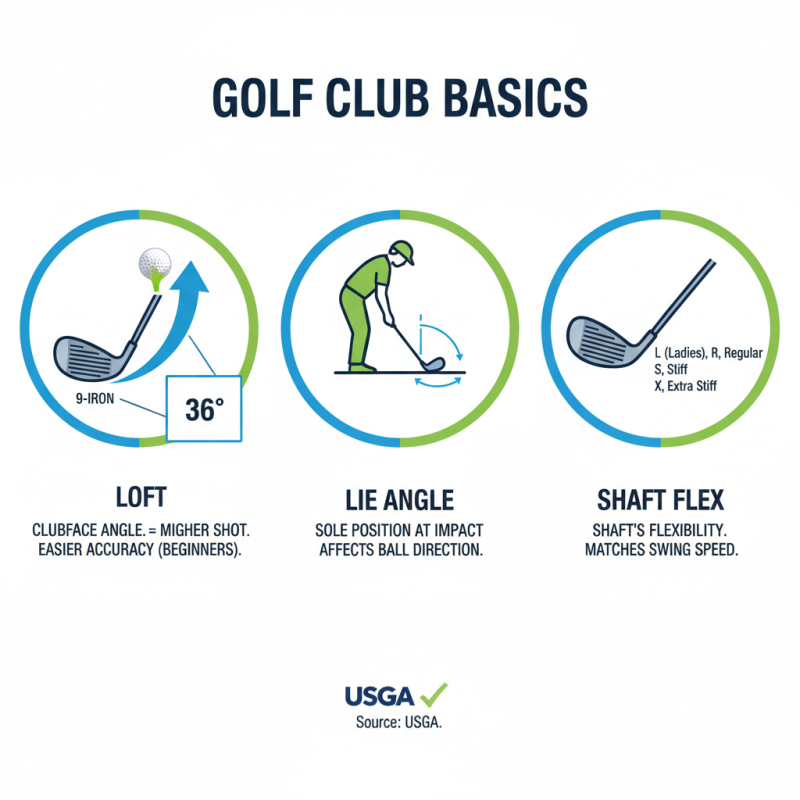
When choosing a golf club, understanding loft, lie angle, and shaft flex is crucial. Loft refers to the angle of the clubface. Higher loft clubs create more elevation, affecting ball trajectory. According to the USGA, a higher loft can lead to increased accuracy for beginners. A 9-iron, typically with 36 degrees of loft, may help novices achieve better contact.
Lie angle influences how the club sits at address. If the lie angle is incorrect, it can lead to misaligned shots. An industry report found that 70% of golfers do not have clubs fitted for their lie angle. This could cause inconsistent ball strikes. For example, a flatter lie angle might cause a player to hit shots to the right.
Shaft flex is another vital specification. It relates to how much the shaft bends during a swing. There are various flex ratings, from stiff to ladies' flex. Data shows that golfers using the correct flex see an increase in distance by up to 10%. However, choosing the right flex can be tricky, as personal swing style plays a significant role. A typical golfer may need to experiment before finding the ideal fit.
Testing Clubs: The Importance of Demo Days and Fittings
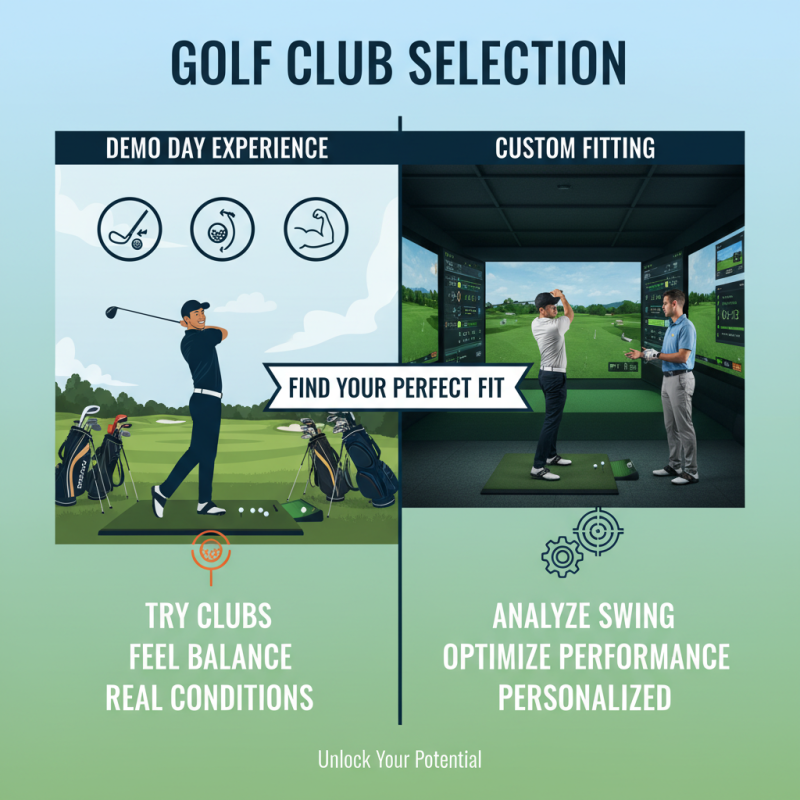
When it comes to selecting the right golf club, the importance of demo days and fittings cannot be overstated. A demo day allows players to try various clubs in real conditions. You swing them; you feel their balance. It’s not just about how they look; it’s about performance. Finding a club that resonates with your style is crucial. Often, what appears aesthetically pleasing may not suit your swing.
Fittings provide an added layer of precision. A professional can analyze your swing characteristics and recommend specific models. But even in fittings, there can be surprises. You might think you need a stiff shaft, only to discover a regular flex works better. Your setup has an impact. Addressing grip size and club length can fine-tune your performance too.
Many golfers underestimate the value of this hands-on approach. Some may feel hesitant about seeking guidance, thinking they should know it all. It’s okay to ask for help. Swinging different clubs, getting measured, and understanding your game can lead to better choices. Every golfer has unique needs. Embrace the process, and don’t shy away from changing your mind.
Making the Final Decision: Balancing Brand, Price, and Performance
Choosing the right golf club is not just about performance. It’s also about balancing price and brand. Golf clubs come in various price ranges. High-end brands often claim superior quality and performance. However, is the price always justified? Sometimes, a lesser-known brand offers similar performance at a fraction of the cost.
When selecting a club, performance is crucial. Test various options to find what feels comfortable. Pay attention to the weight and balance of the club. Does it suit your swing speed? A club that feels great may not always be expensive. Reflect on your playing style. Are you a beginner or advanced player? This can significantly influence your choices.
Moreover, it’s easy to get swayed by advertising. Many golfers fall into this trap. They believe that a popular brand will automatically improve their game. However, the truth is more complex. Sometimes, investing in lessons or practice may yield better results than buying the latest club. Keep questioning your choices. Think about what truly benefits your game.
How to Choose the Right Golf Club for Your Game?
| Club Type |
Loft (Degrees) |
Typical Distance (Yards) |
Swing Speed (MPH) |
Price Range (USD) |
| Driver |
9-12 |
230-300 |
95-110 |
200-600 |
| Fairway Wood |
15-18 |
200-250 |
85-105 |
150-400 |
| Iron (3-9) |
20-40 |
150-220 |
70-90 |
75-300 |
| Wedge |
48-60 |
80-130 |
60-80 |
50-250 |
| Putter |
32-36 |
20-30 |
N/A |
40-300 |