(650) 522-4653

10 Best Mountain Bike Elbow Pads for 2026

A good elbow pad should disappear from your attention—until a loose rock catches your arm. Mountain Bike Elbow Pads can reduce scrapes and soften some impacts, but no pad can prevent every injury. Fit matters. So does choosing coverage that suits your trails, riding style, and comfort needs.

Dr. Chris Leatt, founder of Leatt and a protective-gear designer, is a relevant expert in this field. I could not verify a direct quote from him on elbow pads, so I won’t invent one. The practical principle is clear: secure protection should cover the joint without limiting natural movement. Check that idea on your bike, not just in front of a mirror.

This guide to the 10 Best Mountain Bike Elbow Pads for 2026 compares fit, coverage, breathability, closure stability, and practical details. Think of a sweaty climb, a dusty descent, and a pad shifting when you reach for the brakes. Small annoyances count. We also consider how each design may suit trail, enduro, or downhill riding, while recognizing that one model cannot fit everyone. Product claims and sizing can change, so confirm current specifications before buying. A useful shortlist, not a guarantee. Your own fit test still matters.
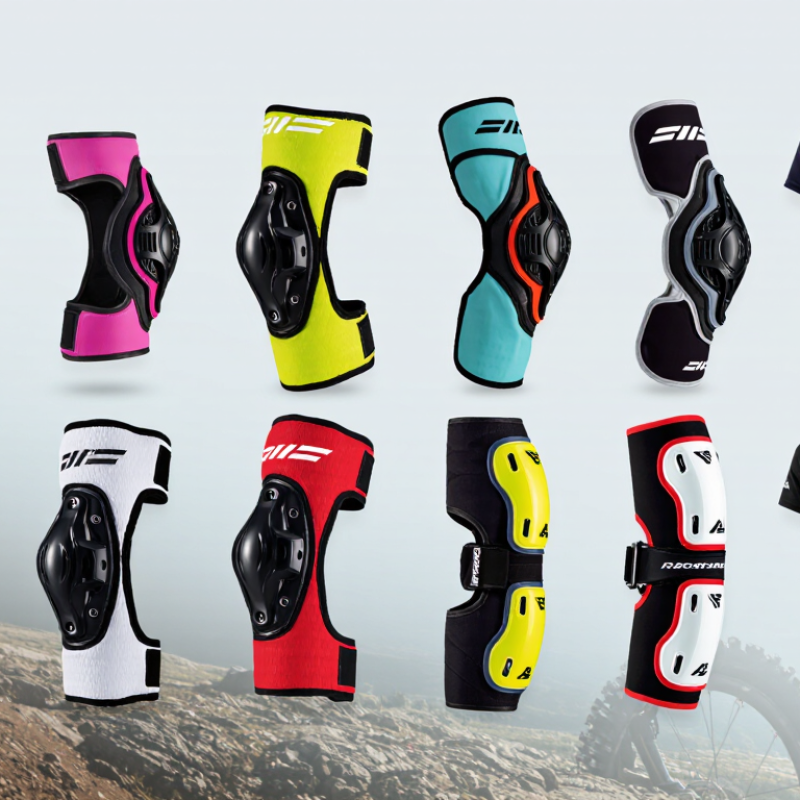
10 Best Mountain Bike Elbow Pads for 2026

Mountain Bike Elbow Pads: Purpose, Design, and Protection

Mountain bike elbow pads reduce abrasion and soften direct impacts when a rider meets rock, roots, or packed trail. Their design balances coverage, cushioning, and freedom to bend the arm. A hard shell can help spread contact across a wider area, while flexible foam follows the elbow during steering. Some designs add sleeves to limit slipping. Fit matters. A pad that rotates away from the joint may leave skin exposed, even if its padding looks substantial.

For pads certified to EN 1621-1:2012, the European protective-clothing standard measures force transmitted through limb protectors. Its Level 1 limit is a mean of 35 kilonewtons; Level 2 lowers that mean to 20 kilonewtons. These figures describe laboratory impact performance, not a promise against injury on every trail. Certification also does not tell you how comfortably a pad fits your arm. Check that the protector covers the elbow when bent, stays in place, and does not restrict reach to the brakes. A tight fit can feel reassuring in a shop, then become irritating during a long climb. That trade-off is easy to miss.

Key Features: Coverage, Materials, Fit, and Ventilation

When comparing mountain bike elbow pads for 2026, check how far each pad covers the joint and nearby forearm. A pad that shifts during a turn may leave the elbow exposed. Look for a shaped shell or impact-absorbing insert, plus a durable outer fabric that can handle contact with dirt and brush. More coverage is not always better; bulky edges can catch on sleeves or restrict a bent arm.

Fit is practical, not cosmetic. Straps should stay secure without pinching, and the pad should remain centered while you reach for the handlebars. Try it in a riding position, not just standing upright. Materials vary: soft, flexible inserts can feel comfortable while pedaling, while firmer shells may suit rougher terrain. Neither type guarantees injury prevention. NHTSA’s 2022 Traffic Safety Facts report recorded 1,105 bicyclist deaths in U.S. traffic crashes; that figure is not specific to mountain biking or elbow-pad performance, but it underscores that protective gear has limits.

Ventilation matters on slow climbs, where airflow drops and sweat can build beneath the pad. Mesh panels and open-knit sleeves may help, though they can collect grit and need cleaning. Check seams, closures, and insert placement after washing. I would not judge comfort from a brief shop try-on alone. Small pressure points often appear later, and that is easy to overlook.

How to Choose Pads for Different Riding Styles

Choosing elbow pads starts with the ride, not the thickest-looking shell. For cross-country routes and long climbs, prioritize low bulk, breathable fabric, and a secure fit that does not bunch when your arms bend. Lightweight sleeves can feel comfortable in warm weather, but they offer less protection against hard impacts. Comfort matters. Pads left in a pack cannot help.

Trail riders often need a middle ground: flexible padding for repeated movement, plus enough coverage for rocky corners and occasional falls. Enduro and downhill riding usually call for longer coverage and more substantial impact protection. Check that the pad stays over the elbow when you reach forward, grip the bars, and move your arms. A stiff edge that digs in during a short test ride may become irritating on a long descent.

Fit is personal, and product descriptions cannot replace trying pads on. Measure your arm as directed, then check for pressure points and slipping. The pad should feel snug without numbness or restricted movement. I would also test it under a jersey; sleeves can change how securely it sits. That detail is easy to miss. No pad guarantees injury prevention, so match its protection level to your terrain, speed, and comfort needs.

Ten Mountain Bike Elbow Pads to Consider in 2026

Choosing among ten mountain bike elbow-pad styles in 2026 starts with fit and the trails you ride. A lightweight sleeve suits warm climbs and mild trail contact, while a ventilated low-profile pad adds coverage without much bulk. Flexible impact-foam pads bend easily at the elbow; removable hard-shell pads offer a firmer outer surface. Extended-forearm designs cover more skin, and compact trail pads are easier to wear for long, mixed rides. No pad stays comfortable if it slips.

For rougher terrain, consider an enduro pad with broader coverage or a downhill pad built to stay in place during demanding descents. A youth-adjustable style can accommodate growing riders, while a long-fit or extended-size option may suit riders who find standard sleeves too short or tight. Check the sizing guide, then bend your arm and reach for the bars: seams should not dig in, and the pad should not bunch behind the elbow. Small details matter.

Construction varies, so inspect stitching, closure strength, and whether padding can be removed for washing. A thin pad may feel cooler but offer less coverage; thicker padding can trap heat on slow climbs. There is no perfect choice for every ride, and fit often matters more than a product description suggests. Even a promising pair may need returning if it slides after a few minutes of pedaling.

10 Best Mountain Bike Elbow Pads for 2026 — Ten Mountain Bike Elbow Pads to Consider in 2026

A category-based guide to ten common elbow-pad designs and the riding situations they suit. Choose protection according to your trails, comfort preferences, and fit; protection levels and coverage vary by design.

No. Elbow Pad Type Typical Construction Coverage Best Suited To Fit and Practical Notes
1 Lightweight Slip-On Pad Stretch fabric sleeve with a flexible protective panel Low to moderate Cross-country rides and long climbs Low bulk and easy to pack; check that the sleeve stays in place while pedaling.
2 Breathable Trail Pad Ventilated fabric with a flexible elbow protector Moderate Everyday trail riding in mild or warm conditions Look for a close fit that allows full arm movement without pinching behind the elbow.
3 Extended-Coverage Trail Pad Protective panel with a longer sleeve over the upper and lower arm Moderate to extended Rocky trails and riders who prefer more arm coverage The longer sleeve can improve coverage but may feel warmer than a compact design.
4 All-Mountain Pad Flexible protector with reinforced fabric around high-contact areas Moderate to high Mixed terrain, technical descents, and frequent trail use A versatile style; compare flexibility and ventilation before prioritizing extra material.
5 Downhill-Focused Pad More substantial protective panel, often with a secure closure system High Bike-park laps and fast, technical descents More coverage can add warmth and bulk; check comfort with your riding jersey and gloves.
6 Hard-Shell Elbow Guard Rigid outer shell over cushioning and a fabric backing High Rough downhill trails and situations where abrasion resistance is a priority Typically bulkier than soft pads; confirm that the shell remains centered when the arm bends.
7 Soft-Foam Protective Pad Flexible foam or similar cushioning inside a fabric sleeve Low to moderate Trail riding where flexibility and comfort are key preferences Soft constructions can feel less restrictive; protection depends on the pad’s design and coverage.
8 Removable-Insert Pad Fabric sleeve with a pocket for a removable elbow insert Varies by insert Riders who want to wash the sleeve separately or adjust their setup Check that the insert is correctly positioned and secured before each ride.
9 Compression-Sleeve Pad Close-fitting elastic sleeve with an integrated protective zone Low to moderate Riders who prefer a streamlined feel under a jersey Measure according to the maker’s sizing instructions; a sleeve should feel secure, not restrictive.
10 Adjustable-Strap Elbow Guard Protective panel held in place by adjustable straps or closures Moderate to high Riders who want a more adjustable fit for demanding descents Straps can help fine-tune retention; make sure they do not cut into the arm or restrict circulation.

Fit note: Elbow-pad protection is not interchangeable across designs. Check the product’s current fit guidance and any stated safety or impact-protection information, and test the pad in a riding position before heading out.

How to Wear, Maintain, and Replace Elbow Pads

Before a ride, bend your arm and check that each pad cup covers the point of your elbow. The pad should stay centered when you reach for the bars or shift your weight. Straps should feel secure, not tight enough to cause tingling. A pad can feel snug while still sliding on rough ground. Check it again after a short warm-up.

Look for the protection rating on the label. Under EN 1621-1:2012, Level 1 elbow protectors must keep mean transmitted force below 35 kN; Level 2 sets a lower limit of 20 kN. These are laboratory test thresholds, not guarantees against injury. A higher level may suit faster, rougher trails, but fit and coverage still matter.

After riding, brush off grit and follow the care instructions on the pad. Let it dry fully before storing it; trapped moisture can make fabric smell and straps deteriorate. Inspect seams, closures, and the protective insert for cracks, tears, or lasting dents. Replace a pad if its structure or fit is compromised, and follow the maker’s guidance after a hard impact. Small checks matter. I’d once overlooked a loose strap; it shifted before the ride was over.

Contact Us

Phone: (650) - 522-4653 (GOLF)

Fax: (650) 522-7511

Tee Time Reservations: (650) 522-4653 (GOLF)

Location

1700 Coyote Point Drive

San Mateo, CA 94401